I Doubted Food Waste Processors — Here’s What I Learned After Actually Using One
Hi to everyone determined to wipe out fruit flies this year — I’m Hide, part-time house-husband and tech journalist. I used to wonder, “Do we really need a food waste processor?” I’d only used one once before: it barely held anything, and some things didn’t dry out all the way.
“It takes forever — I’ll just throw it out in a Ziploc.” That’s how I lived until 39, but this one, which I ended up using by chance, turned out to be pretty handy.
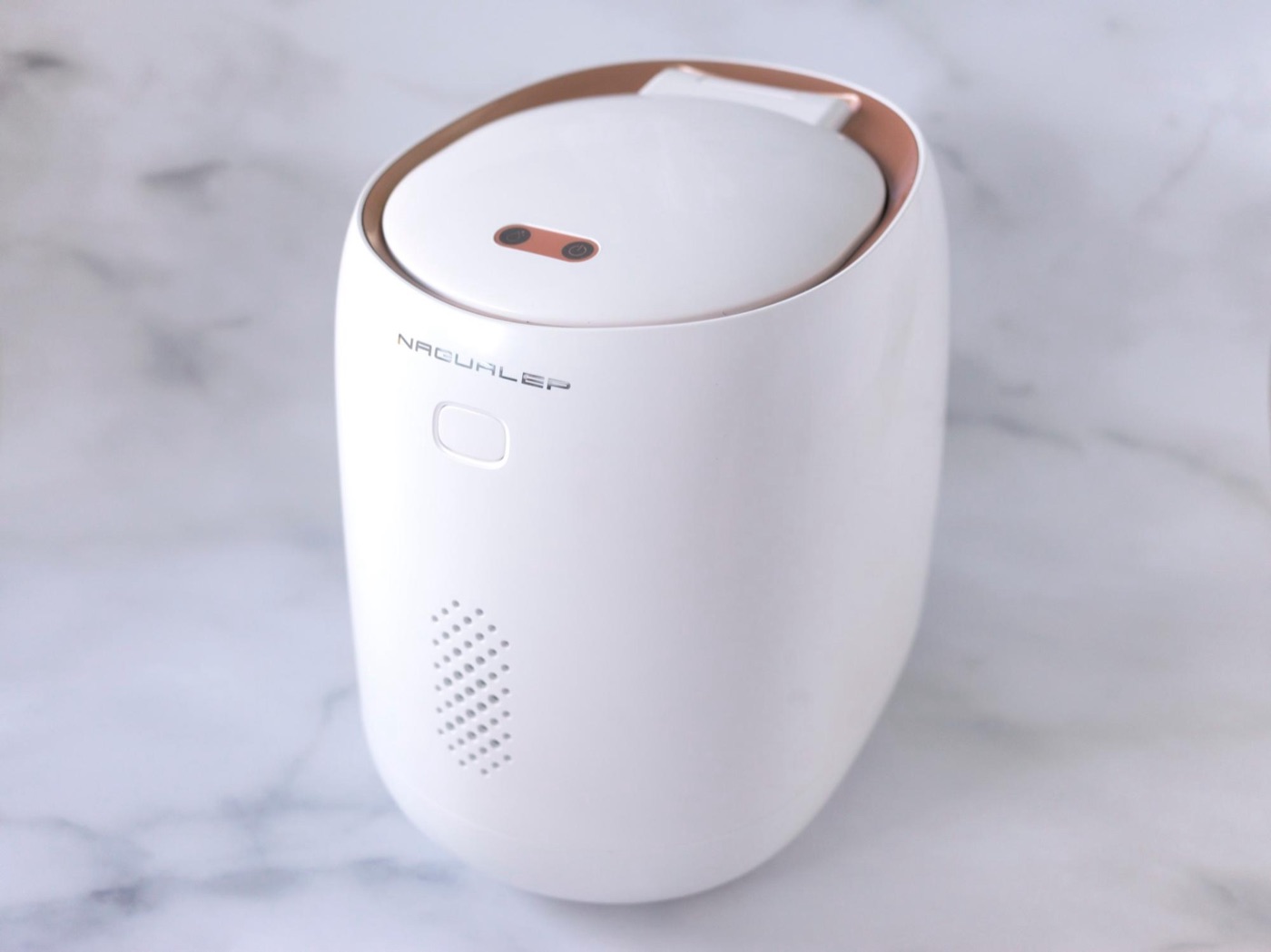
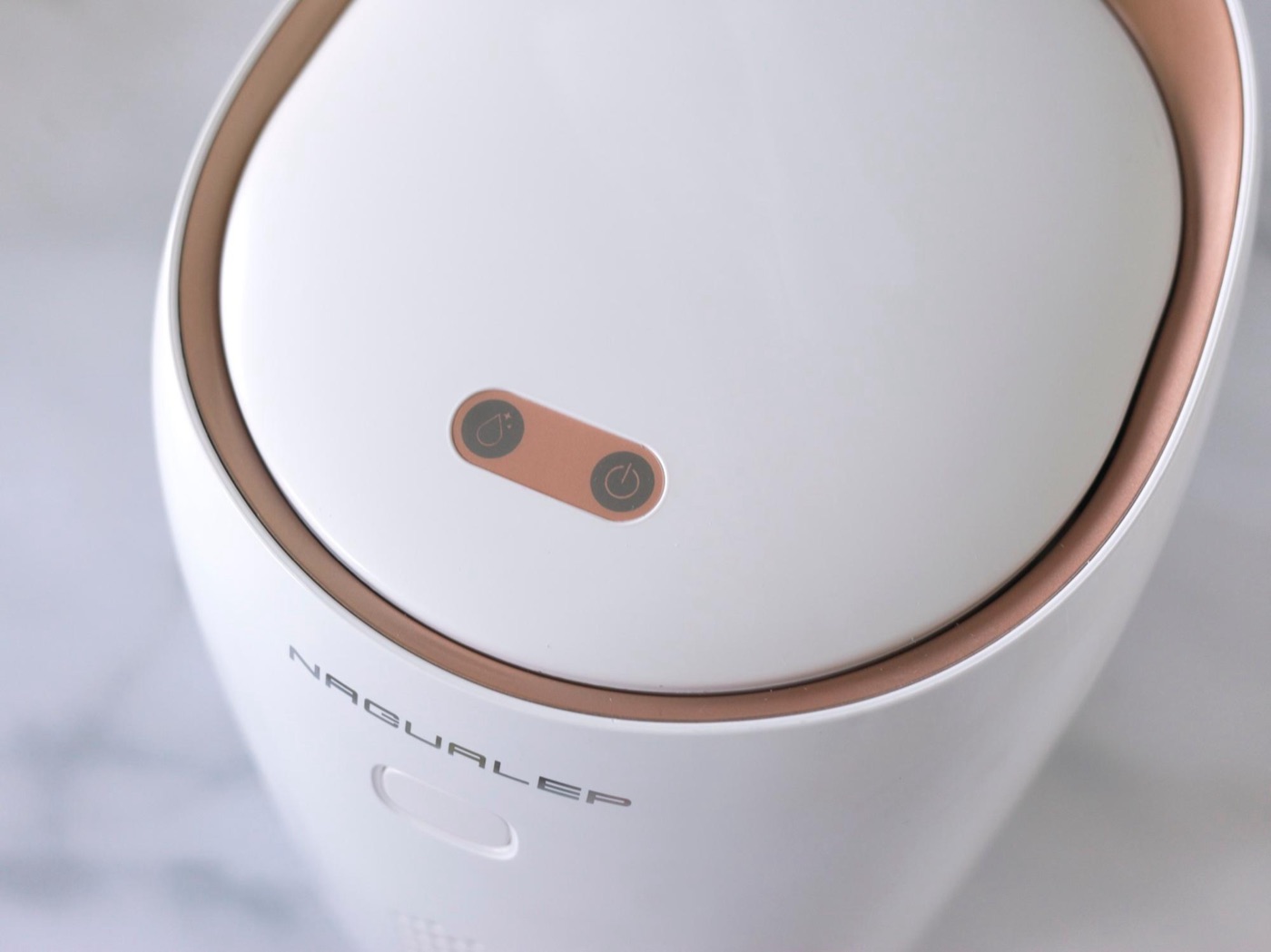
The clean-looking NAGUALEP NANO
## I compared it with a freezing trash can!
Truth is, I’m currently reviewing a freezing trash can. I thought, “This does it all! I can just toss food scraps in as is!” — but it had some unexpected downsides.
The much-talked-about freezing trash can “CLEAN BOX”
For example:
- The 20 L capacity is handy, but since everything freezes, you let it pile up, and the moisture makes it pretty heavy
- It fills the space while soft and then freezes, so it’s a struggle to get out
- If you take the bag out and tie it up planning to throw it out that day, the spot where you put it gets soaking wet before you take it outside
and so on.
It’s really convenient, of course. You can toss things without worrying about smell, there’s no smell at all, and no bugs. But comparing the two, there were points where I thought a food waste processor might be better.
If it can handle a lot, a food waste processor might be worth it
The NAGUALEP NANO is apparently the successor to a popular food waste processor and is smaller than before. Even so, its capacity is 3.5 L — worlds apart from the food waste processors I’ve seen before.
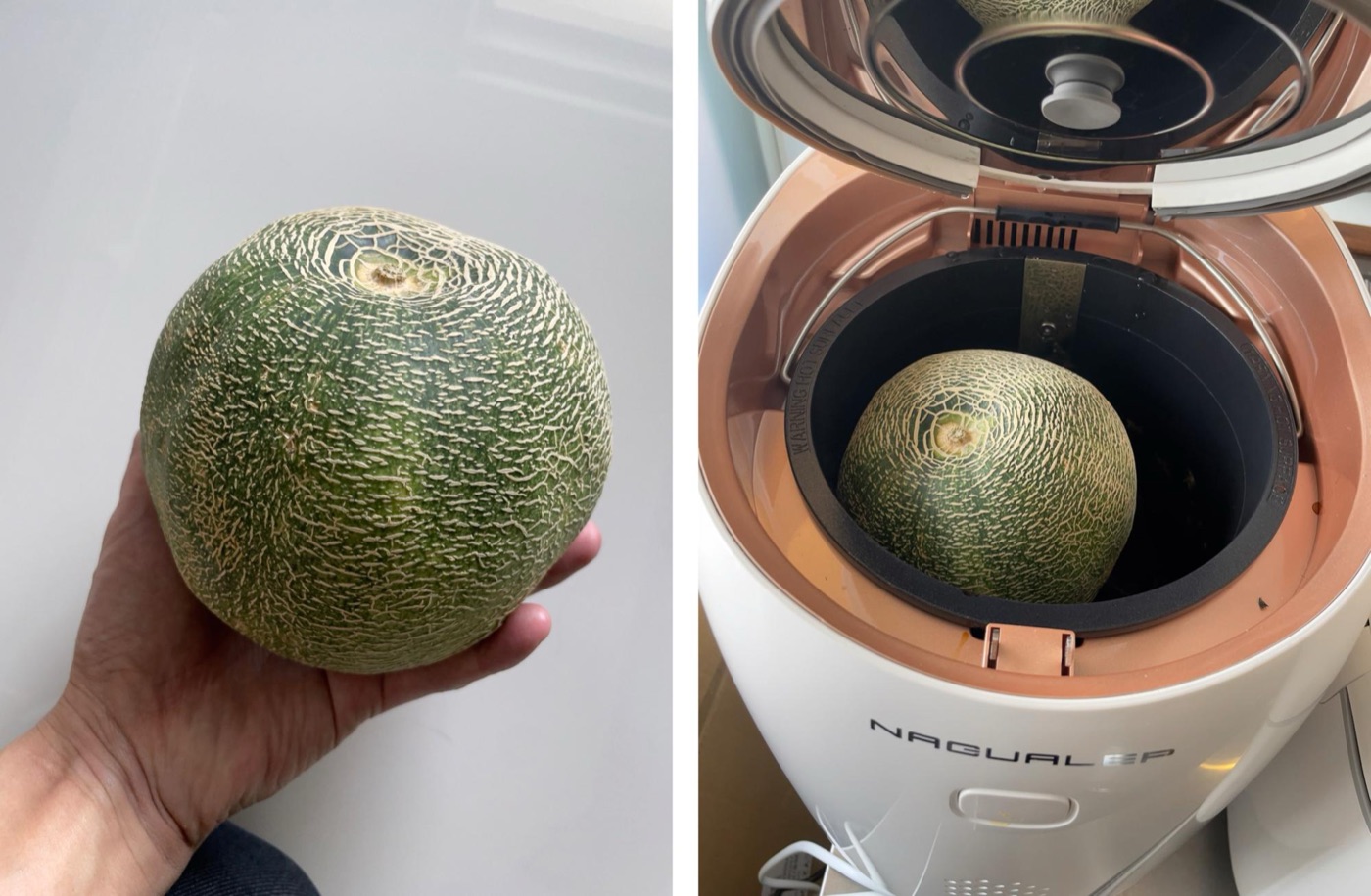
I left a melon too long and it went bad, so I processed it
It’s on the small side, but even this bad melon looked like it would almost fit whole. I was half skeptical — “Will this really get processed?” — but it turned into a brown powder, no problem.
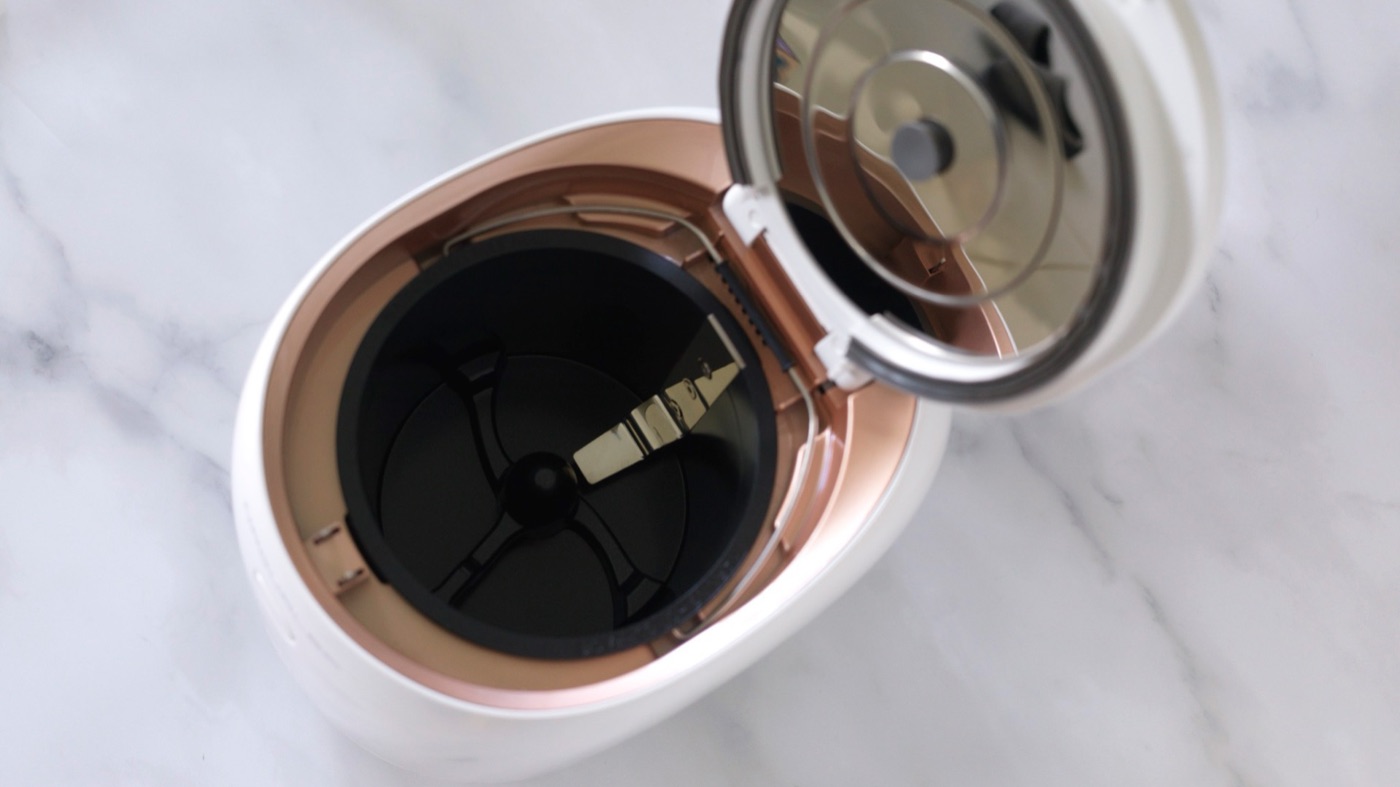
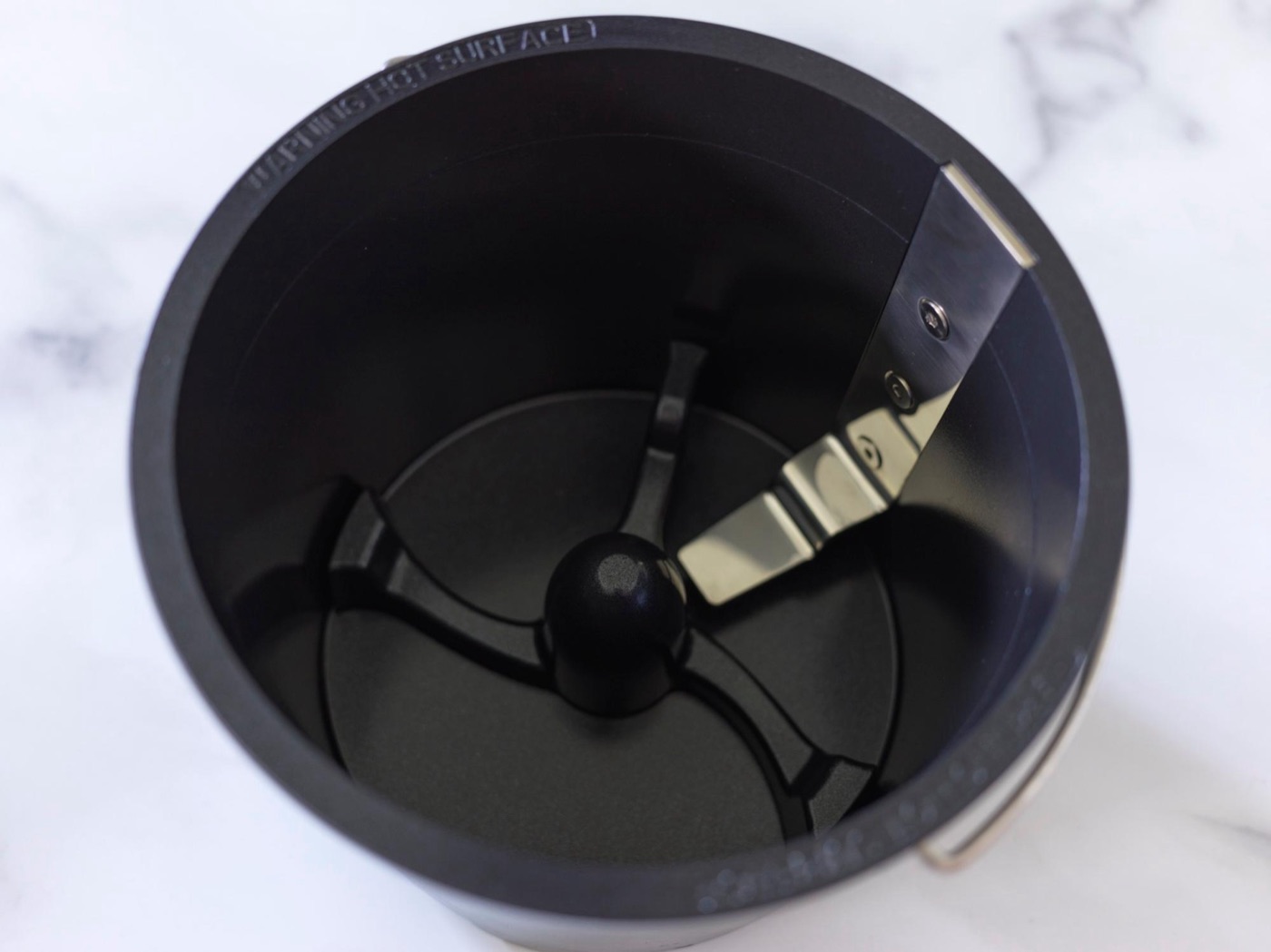
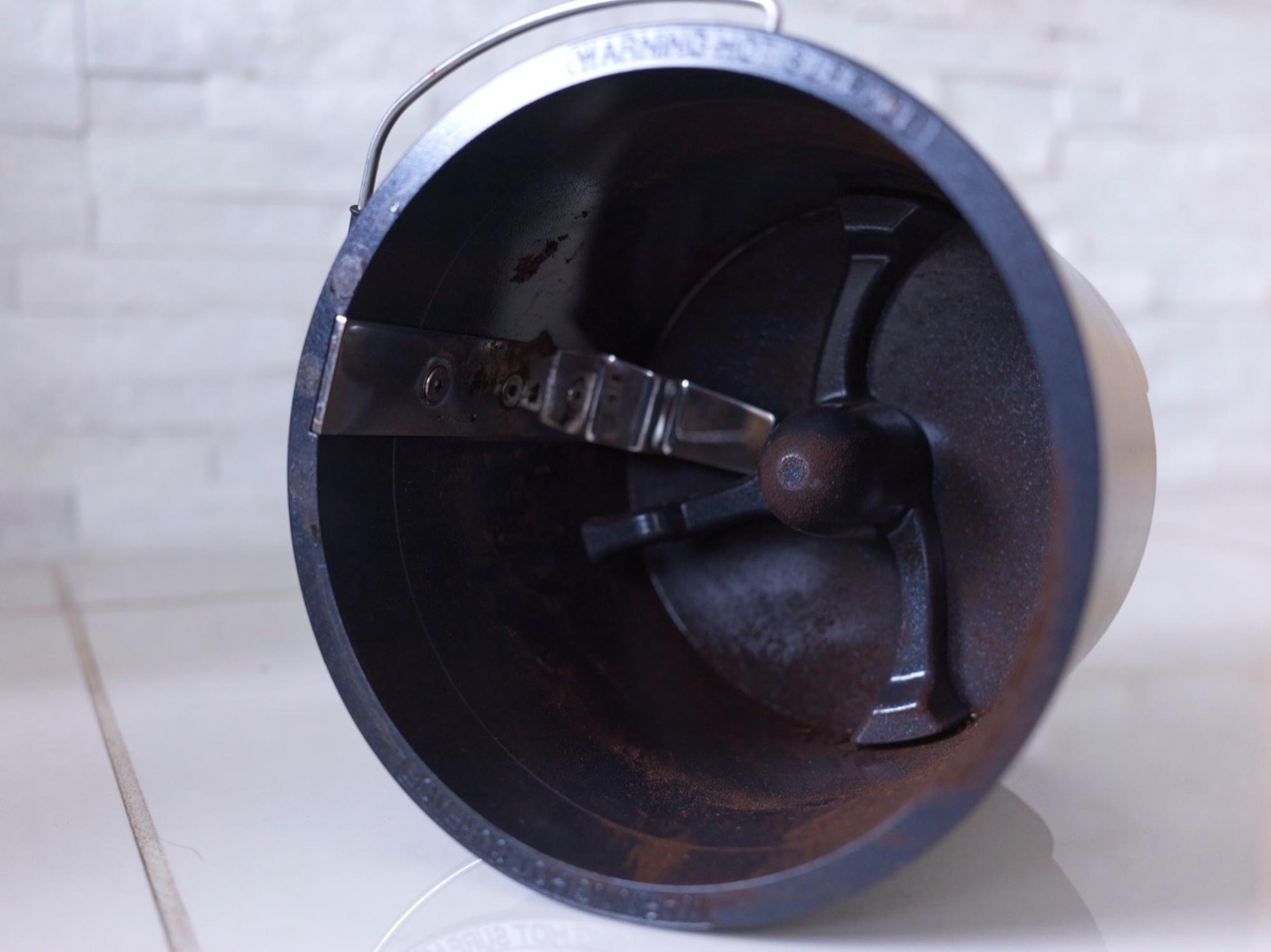
The rotating blades cross the thick silver part to grind things up
I didn’t cut the melon up — I put it in whole — but this inner bin’s design ground it up and processed it properly. Eggshells ended up unrecognizable too, and since the silver part is thick metal, about 5 mm, it seems like it can grind pretty hard stuff.
With this much capacity, you can throw in almost anything, so I thought using a food waste processor might actually be worth it.
Hard to get dirty, with zero food-waste smell
This time I deliberately didn’t empty it after each run and left it sitting for a while after processing, so I figured it would smell. In the end, no smell at all — opening it and sniffing, it just smelled a bit toasted.
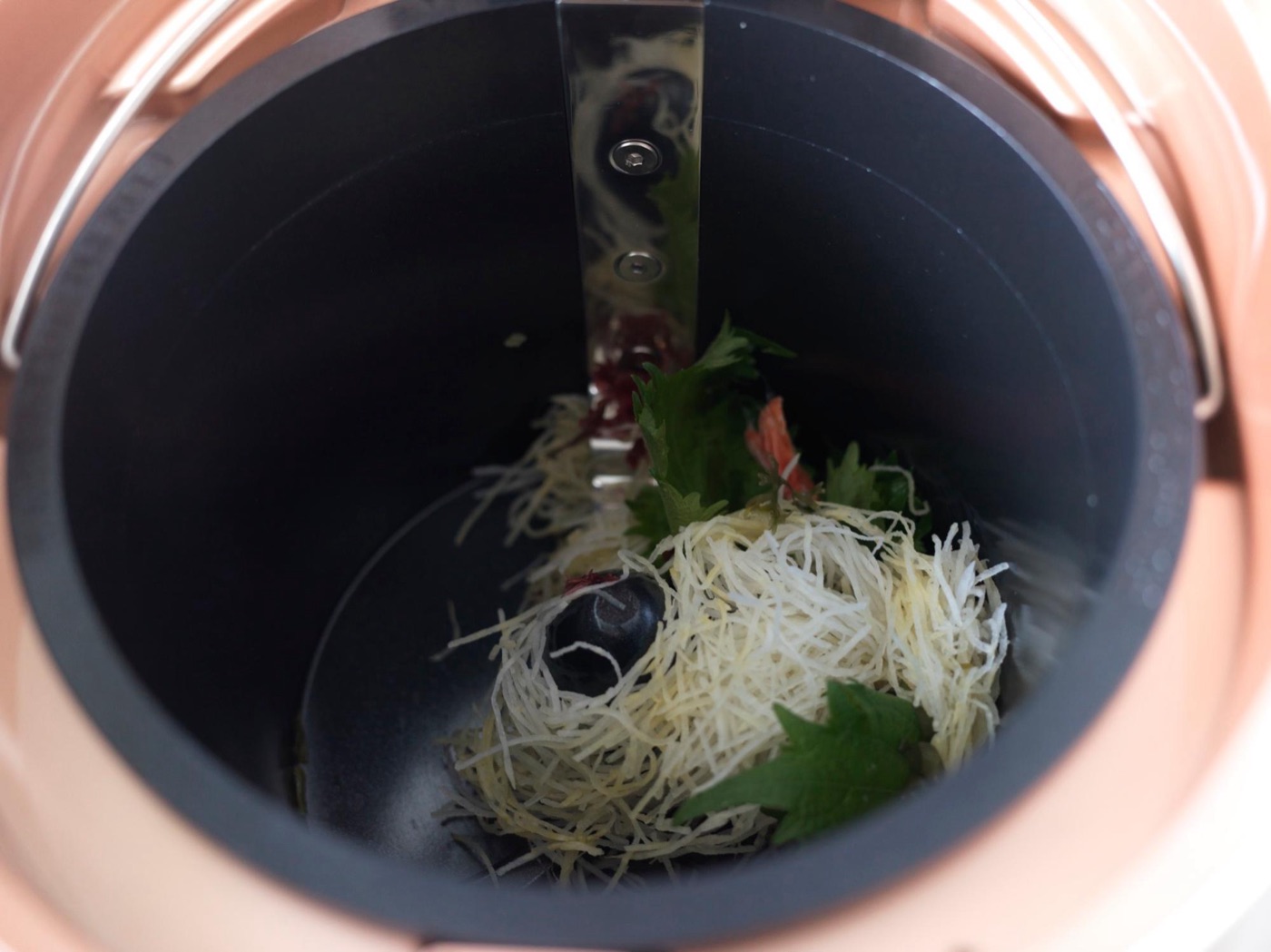
Starting with leftovers from hand-rolled sushi, I let all sorts of things pile up
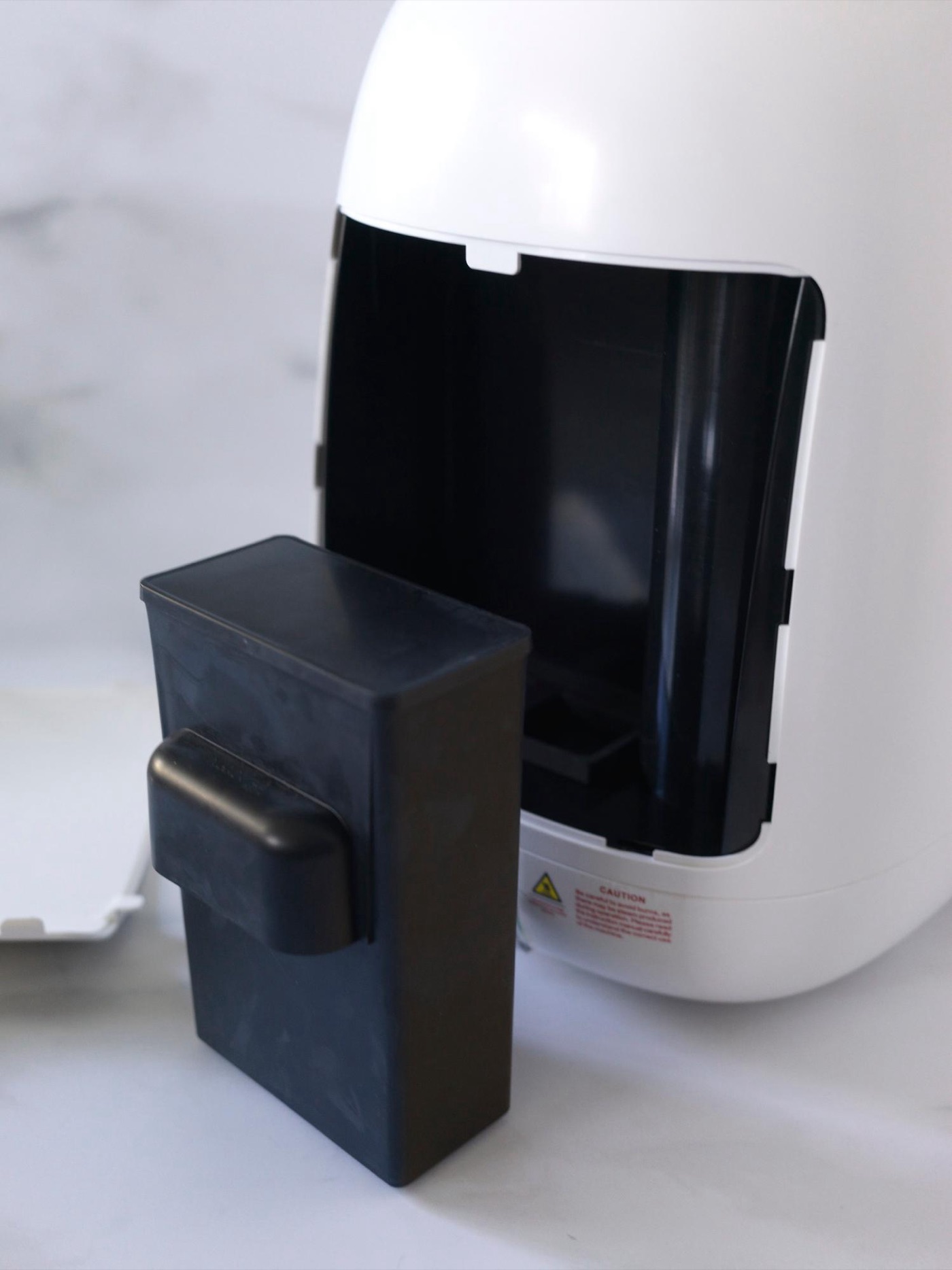
I was surprised it didn’t smell even with things like the leftover garnish from hand-rolled sushi. The smell is apparently removed by an activated carbon filter, but since it doesn’t really smell after processing anyway, you can rest easy.
There’s a pretty large activated carbon filter on the back
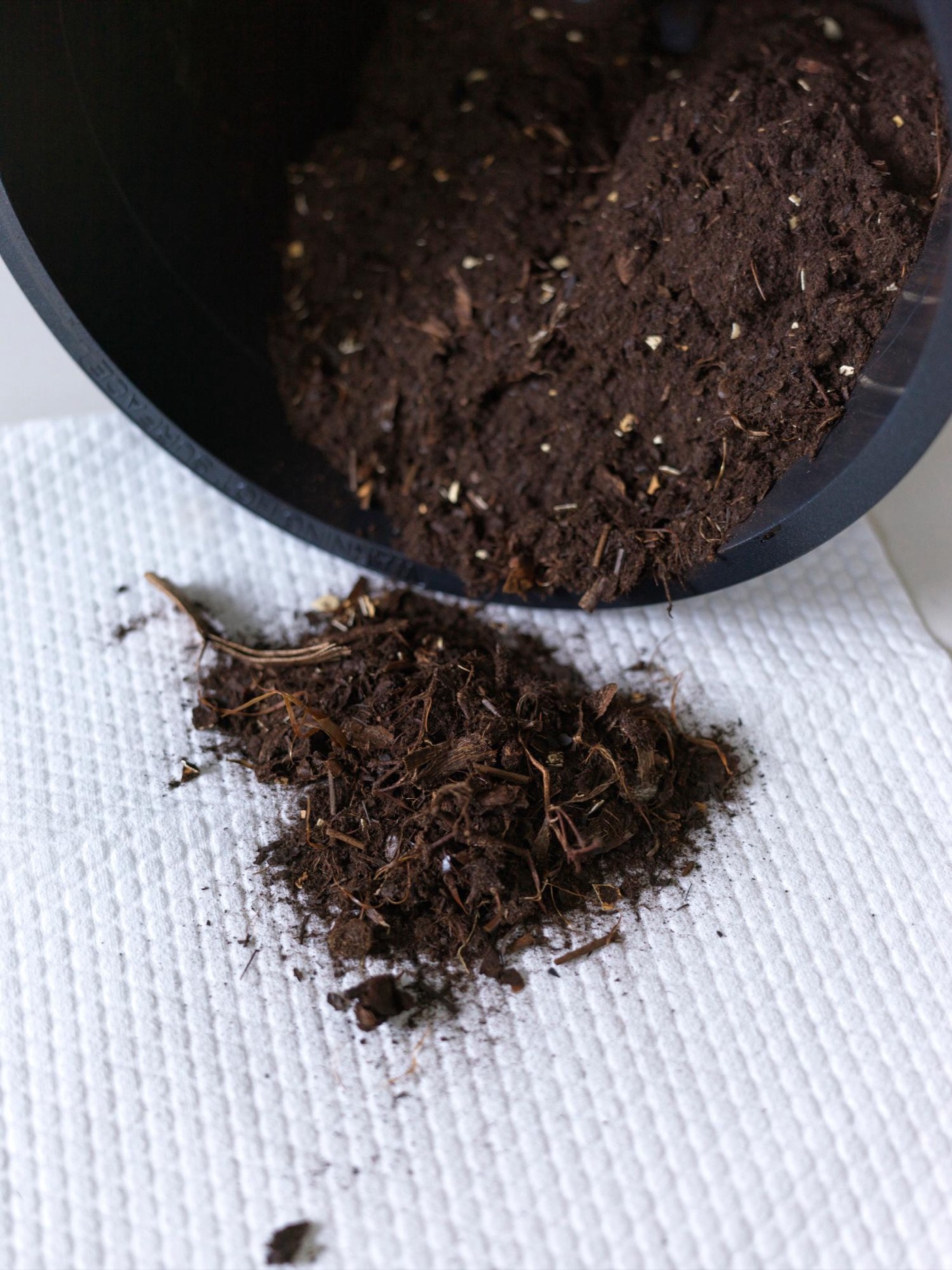
Apparently you can layer the processed scraps with soil and use them as fertilizer, but after processing, it already looked like soil.
Looks like soil
The inner bin has a coating that resists dirt, so just dumping it into the trash leaves almost nothing behind.
This is after emptying it into the trash. A little powdery, but no stuck-on gunk — a quick rinse with water and it was clean
I also liked how simple it is to operate. There are only two buttons — auto-clean and power — and processing is fully automatic. It runs longer when you put in big stuff and stops quickly when you only put in a little.
It uses sensors and AI to figure out what’s inside and process it, so it doesn’t run for the same amount of time every time — smart. Since it runs based on what’s inside, it also saves on electricity, which I liked.
Simple to operate — you can use it without thinking
## Each has pros and cons, but a food waste processor might be good
I had a vague bias that it wouldn’t be great, but it turned out to be surprisingly easy to use. In particular:
The volume shrinks a lot
Less smell than I expected
Throwing out the processed waste is easy
You change trash bags less often
On these points I thought it beat the freezing trash can. On the other hand:
It can’t process dirty bags or sink drain nets
Processing a lot can sometimes smell like roasted sweet potatoes (not bad, though)
The unit is fairly big
On these points I thought the freezing trash can was better. Using both together would be unbeatable, but you need room for them, so it’s a tough call.
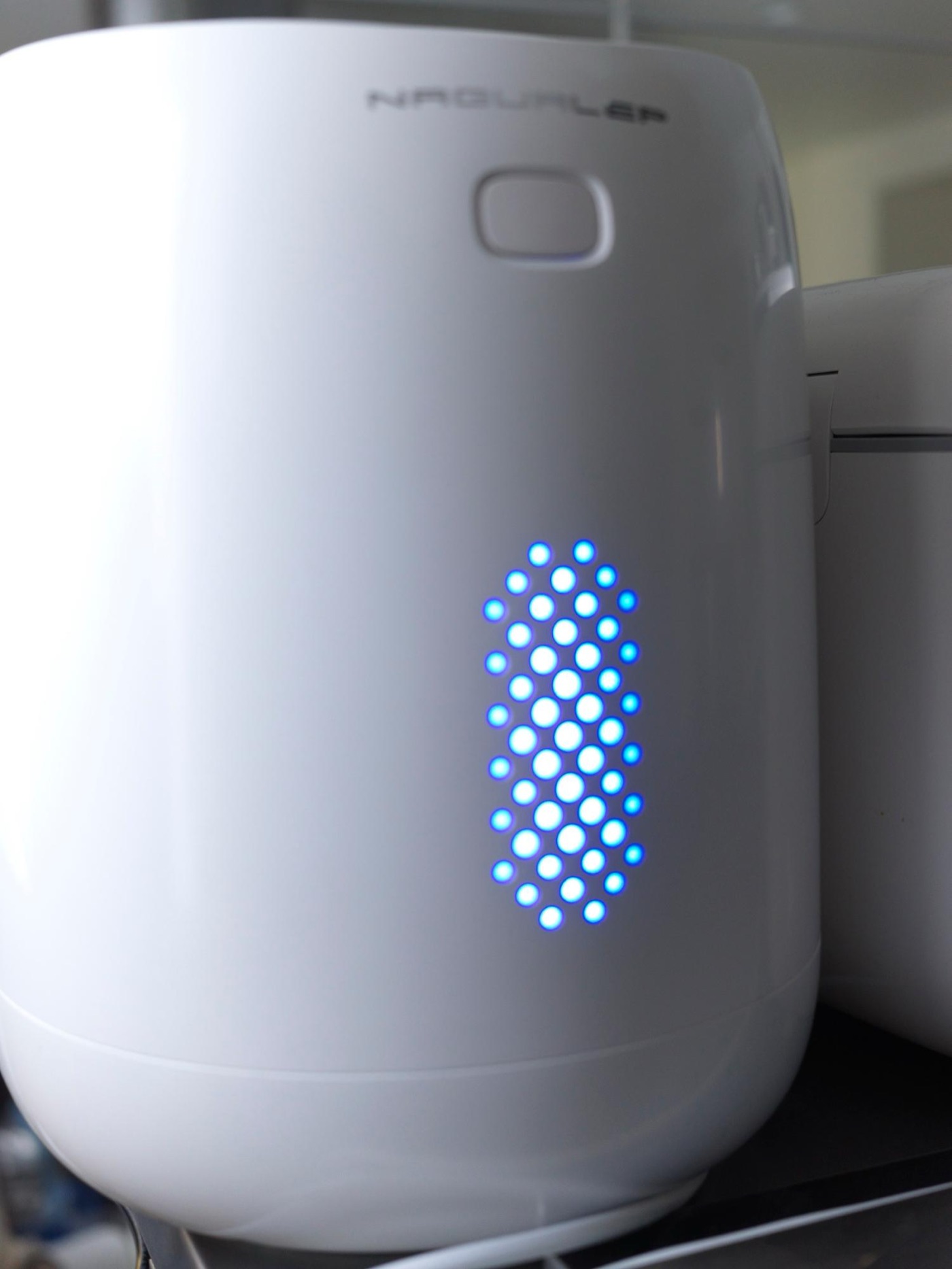
Also, the LED on the front lights up while it’s running, and sometimes it was too bright at night. A feature that turns it off based on ambient light would make it even better. It runs wonderfully quietly, so no complaints there.
This LED is surprisingly bright...
Depending on your local government, there may be subsidies, so it might be worth looking into. It was more useful than I expected, and it changed my impression of food waste processors.