
Smart Home

Are Japanese Homes Careless About Lighting? JDI’s LumiFree Shows How Much Better Life Gets When You Care
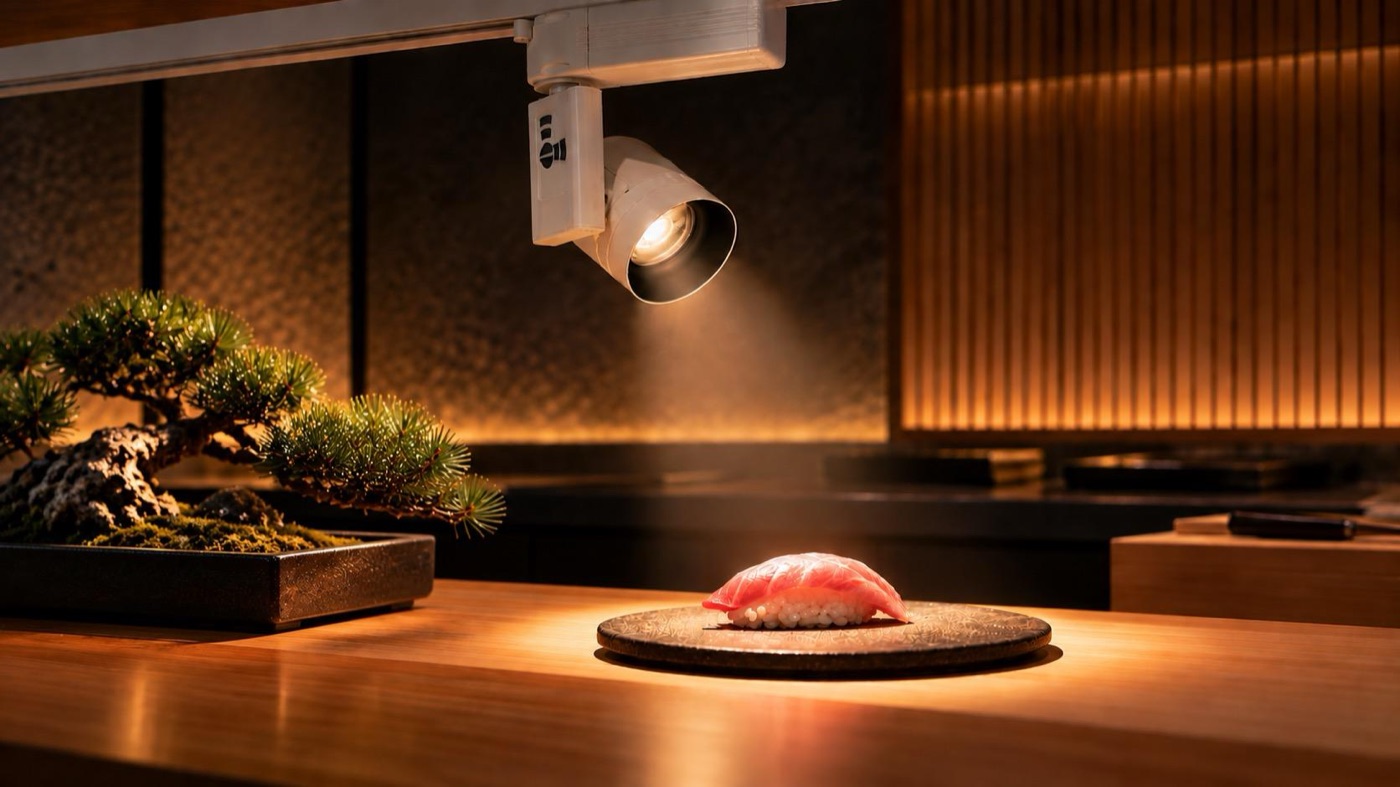
Japanese homes obsess over natural light, but for some reason lighting often ends up as “as long as the whole room is bright, it’s fine.”

After trying JDI’s LumiFree, I was reminded that just putting the right amount of light exactly where you need it changes how your food and your interior look — dramatically.
In Japanese homes, “light up everything” is the default
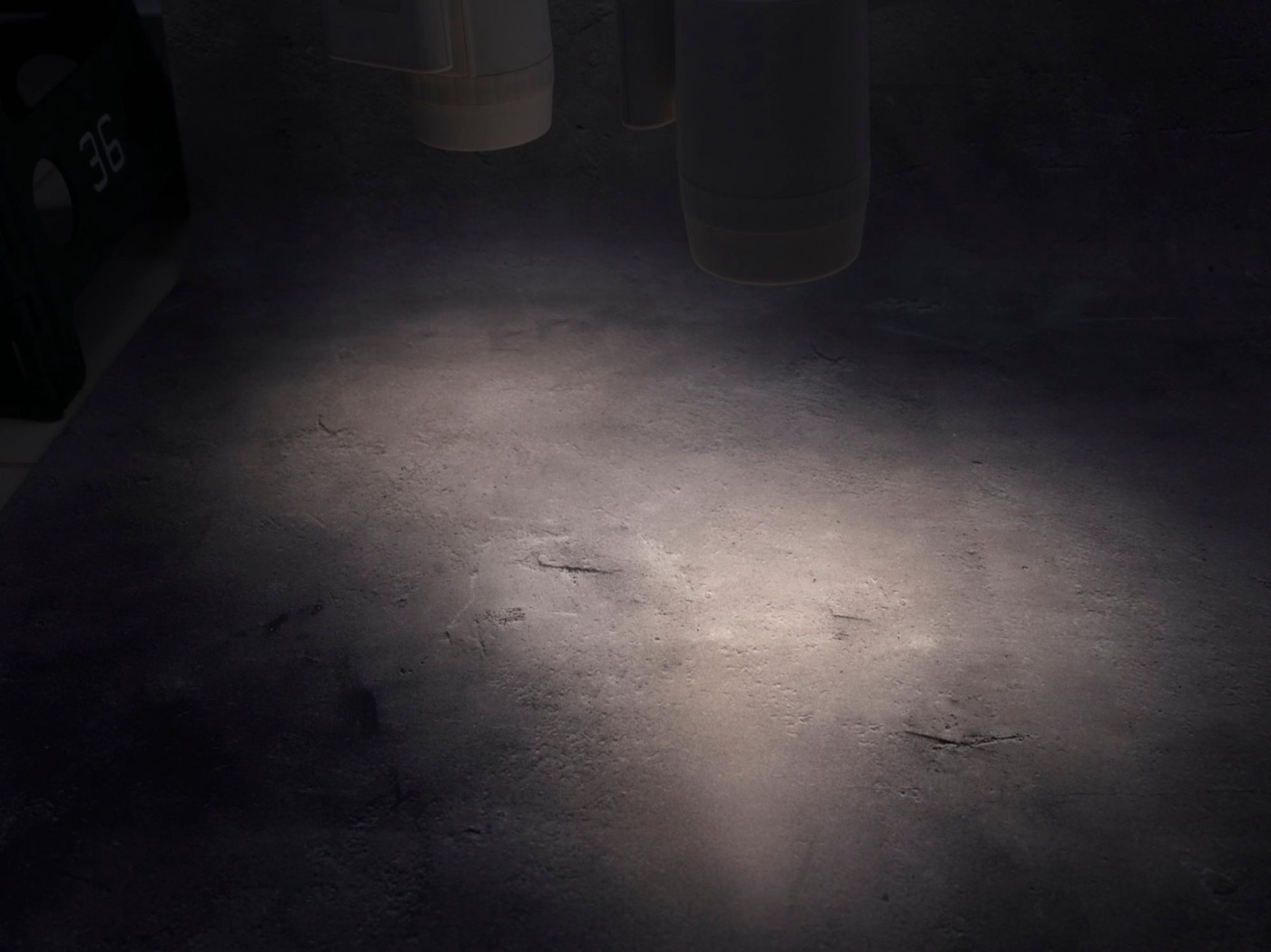
In Japanese homes, the standard is a big ceiling light that evenly brightens the entire room.
When building a house, people care about window placement and sunlight, but when it comes to lighting, it’s just “as long as it’s bright.”

Personally, I think we should care a lot more about this.

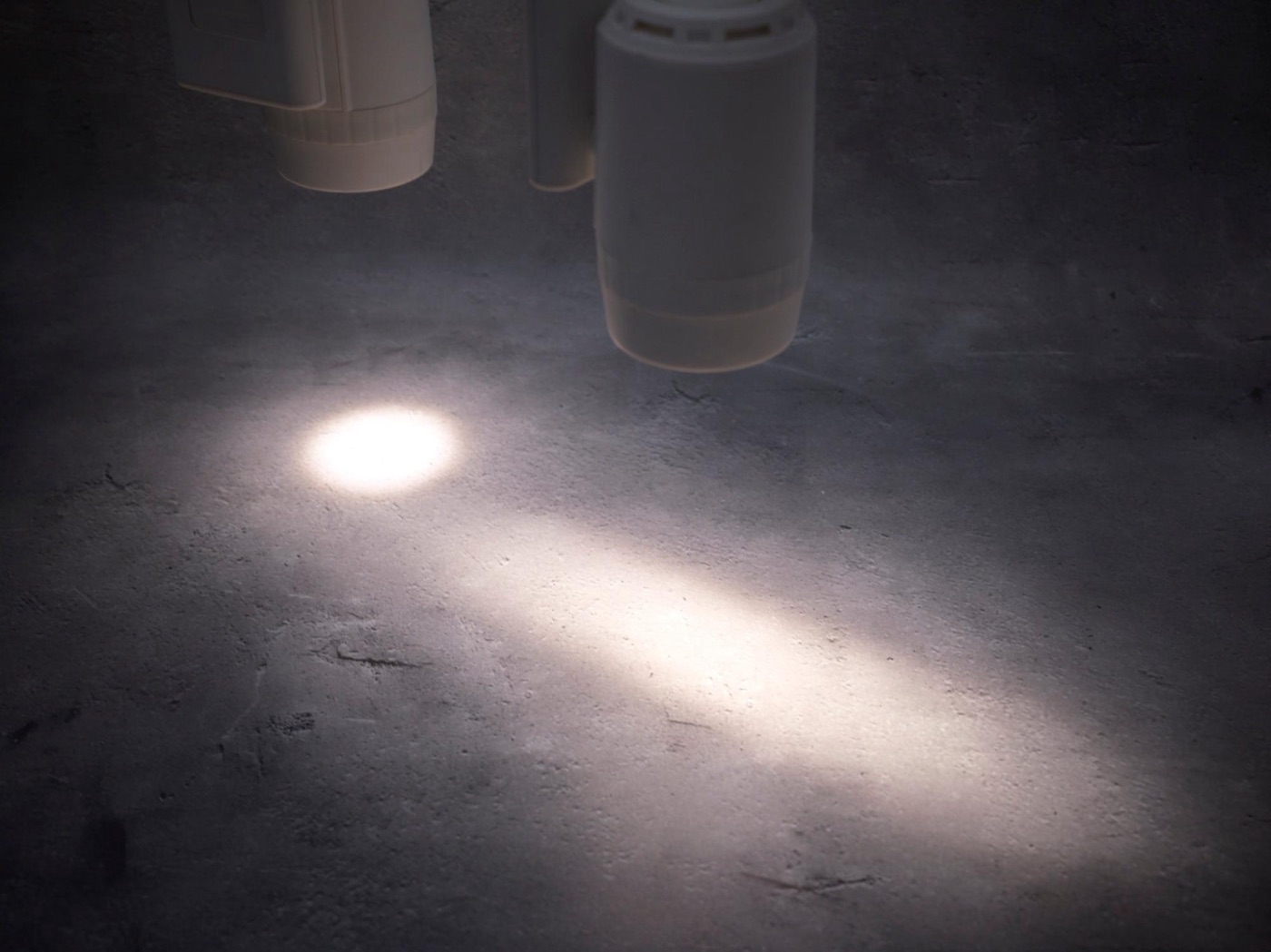
LumiFree can change the shape of light
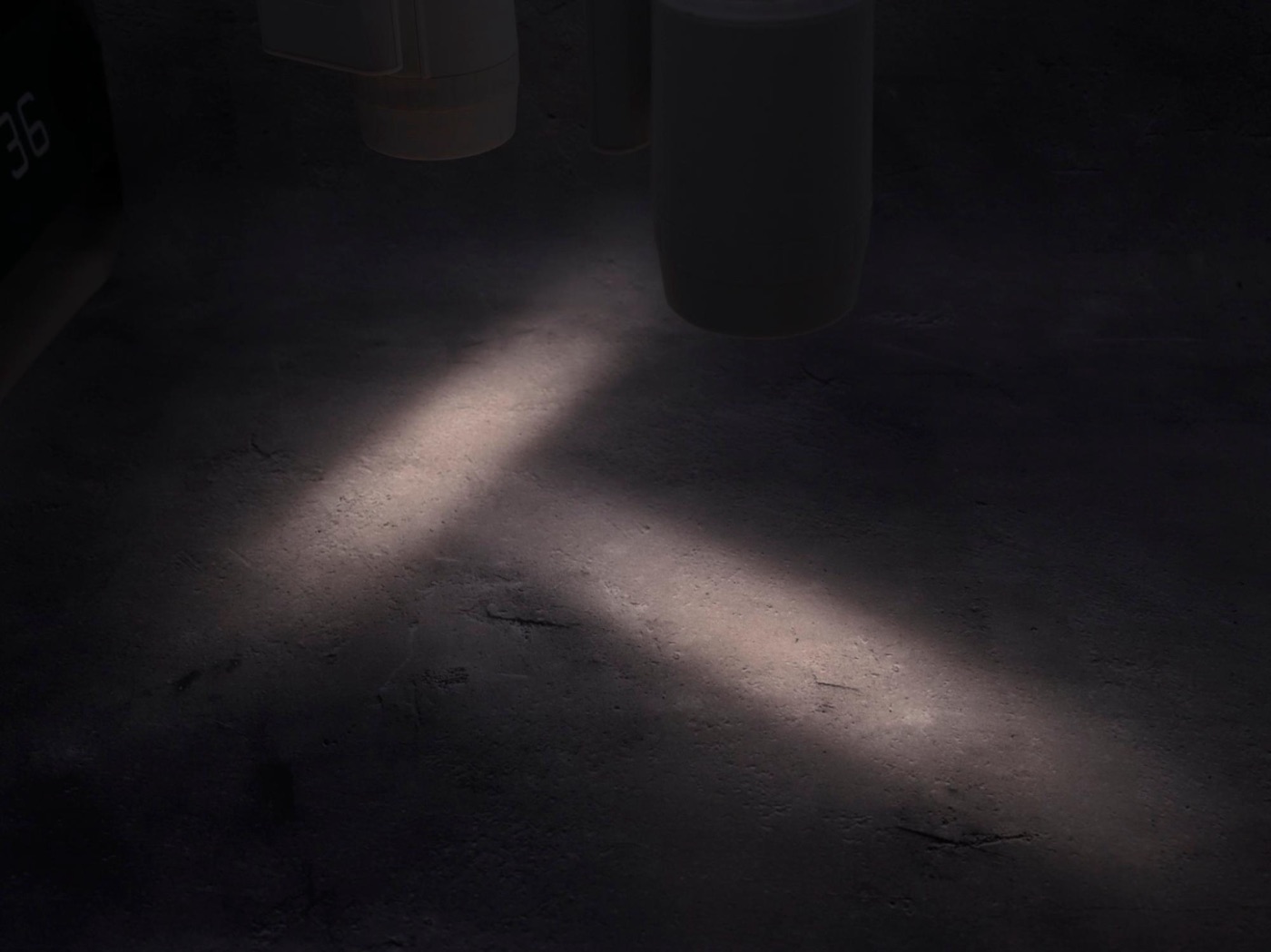
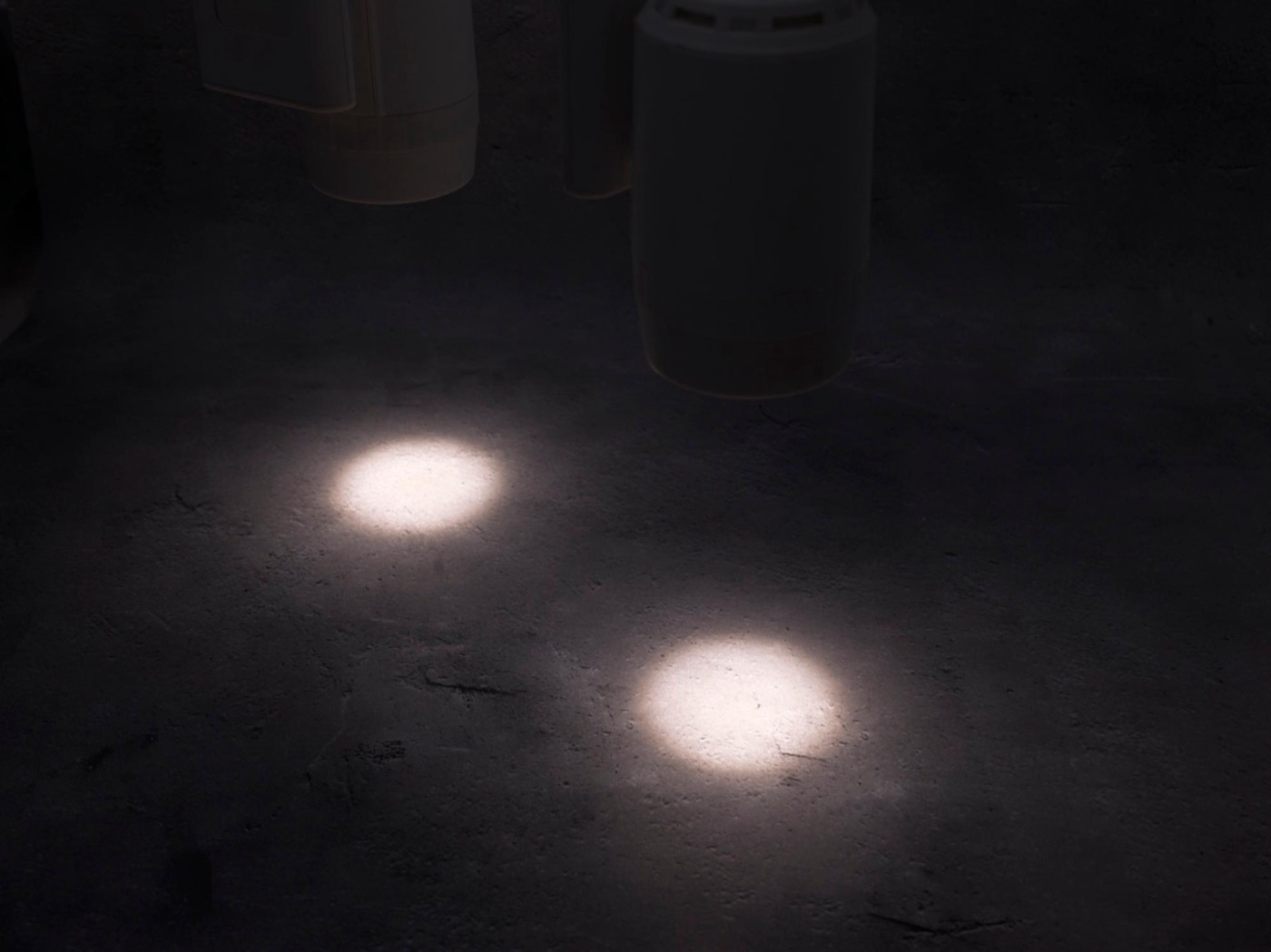
LumiFree uses JDI’s LCD technology to change how light spreads, electronically. The beam angle goes from 10 to 50 degrees with 100 steps both horizontally and vertically, giving you around 10,000 light patterns.

So it’s not just widening or narrowing the beam — you can shape the light to fit whatever you’re lighting. That’s the game-changer.

Lighting alone changes how food looks
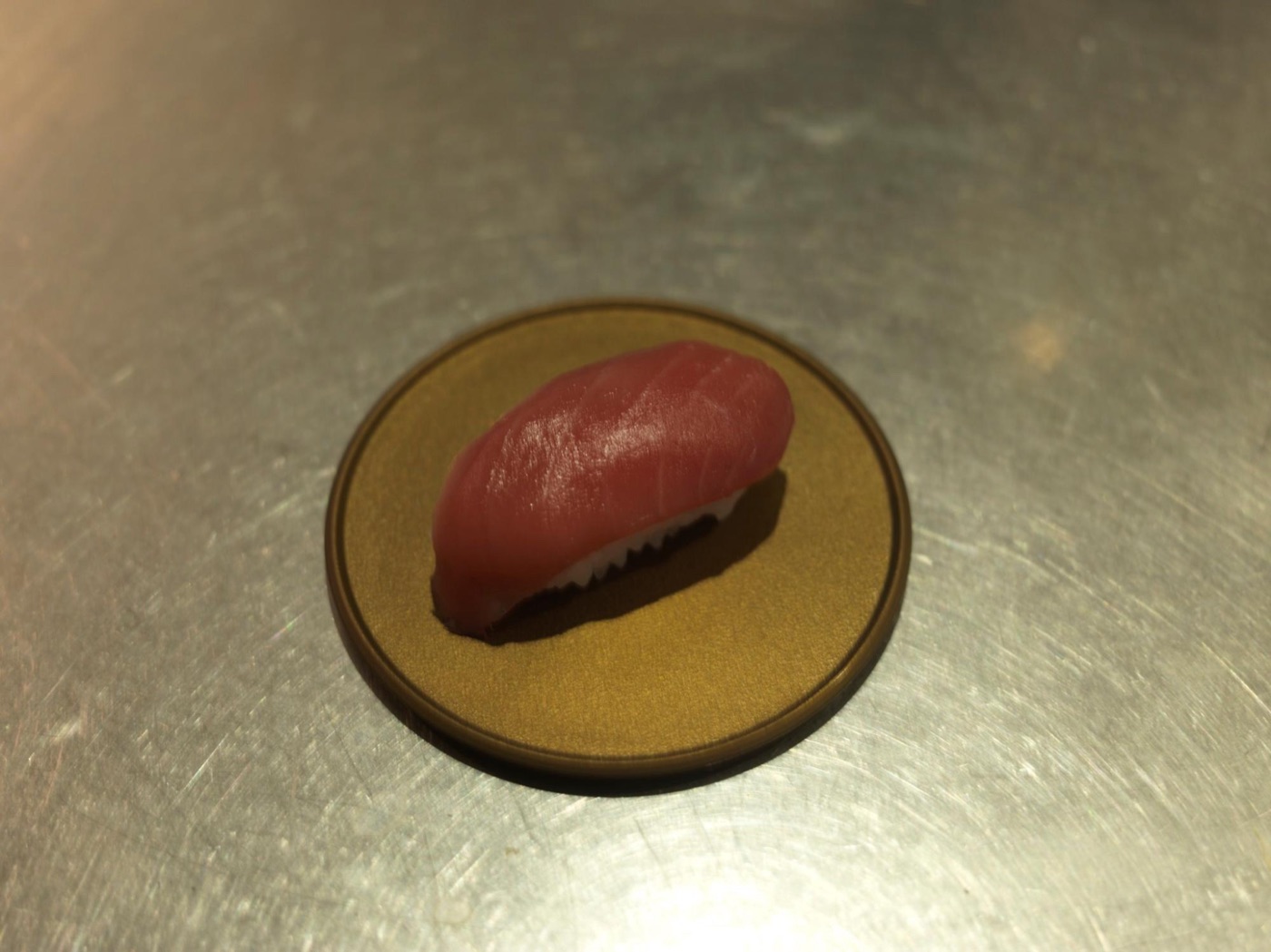
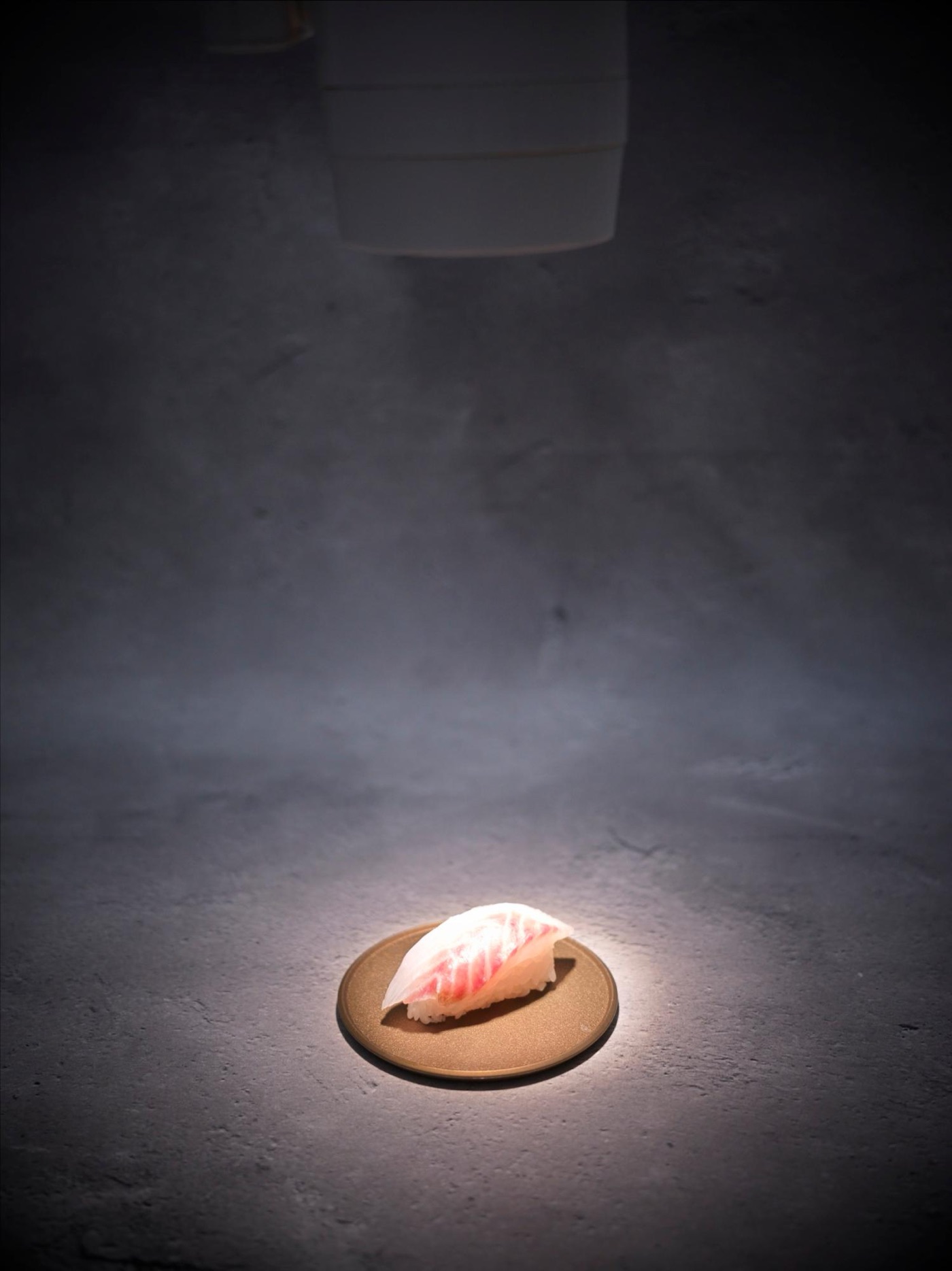
Sushi shot under light with poor color rendering. Doesn’t look very appetizing.
Where I noticed the difference most was food. The tuna above looks dull, and honestly not very tasty.

But that’s not the sushi — it’s the light.
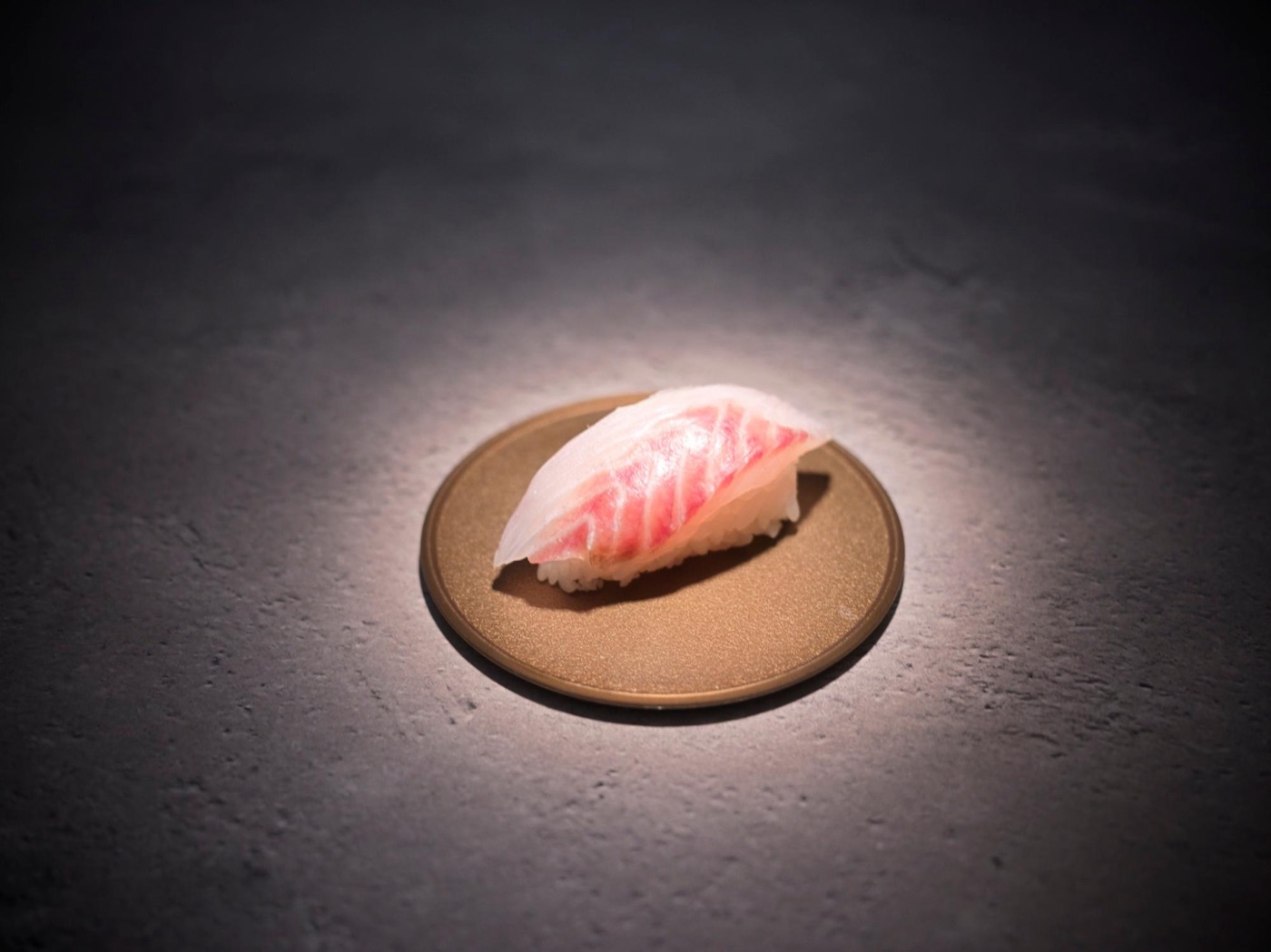
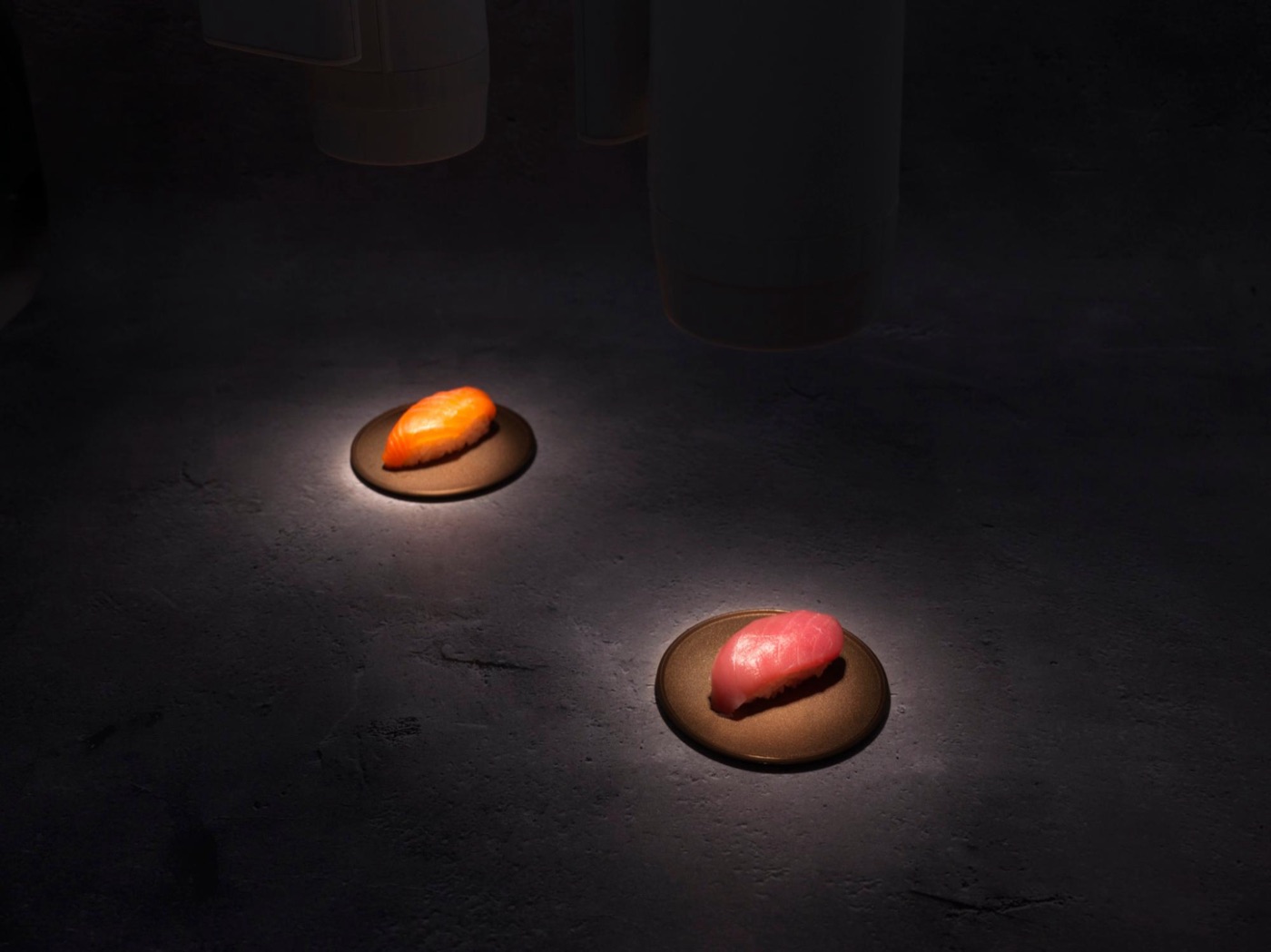
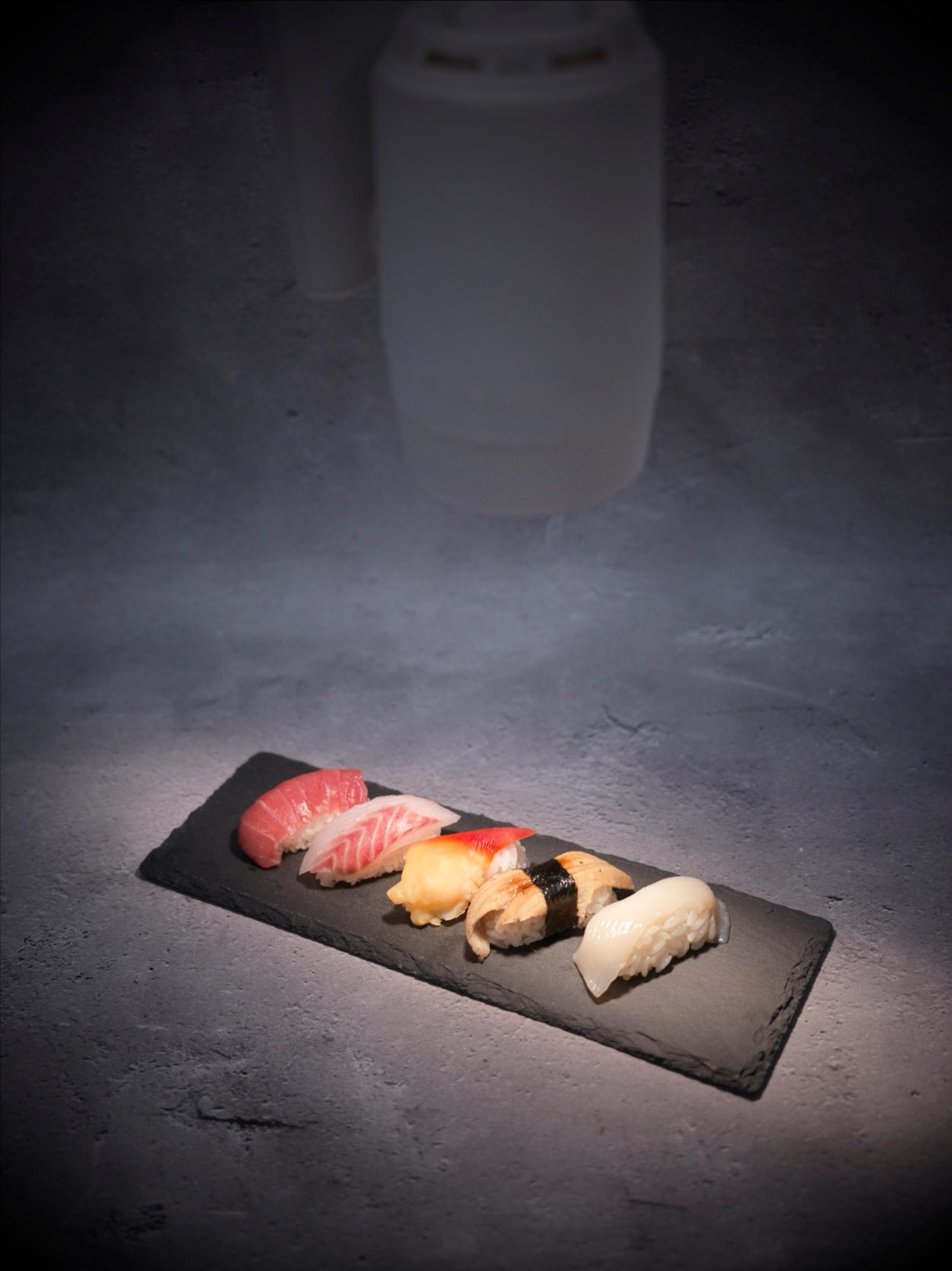
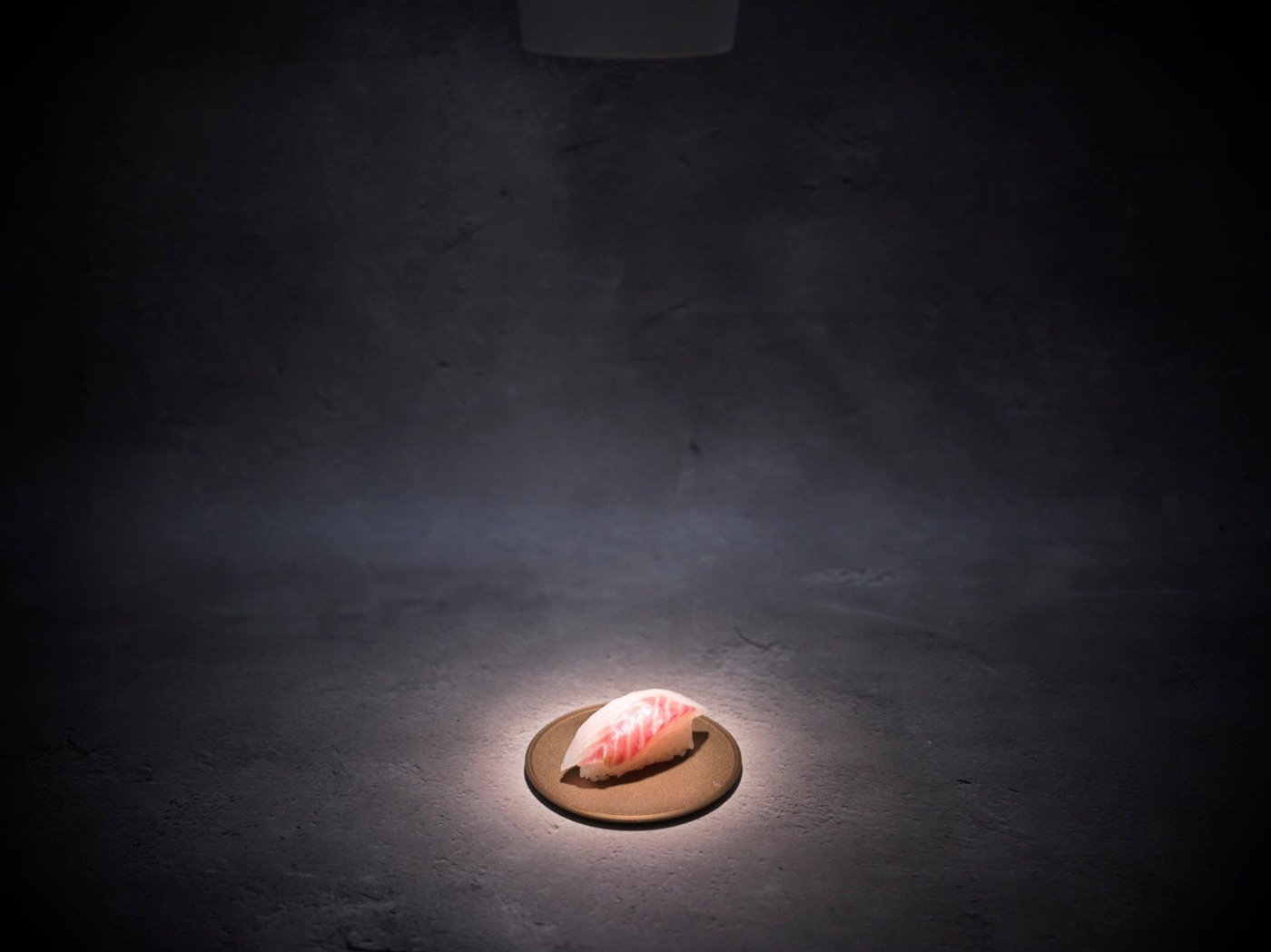
Under light with high color rendering, the food’s true colors come through.
LumiFree lights have high color rendering (Ra 90+), so reds, pinks, and even the sheen of the fat look much more vivid.

Light only the food and dim the surroundings, and your eyes naturally go to the dish. We taste food not just with our tongue, but with our eyes, smell, and the whole atmosphere.

I want it for art and interior pieces too
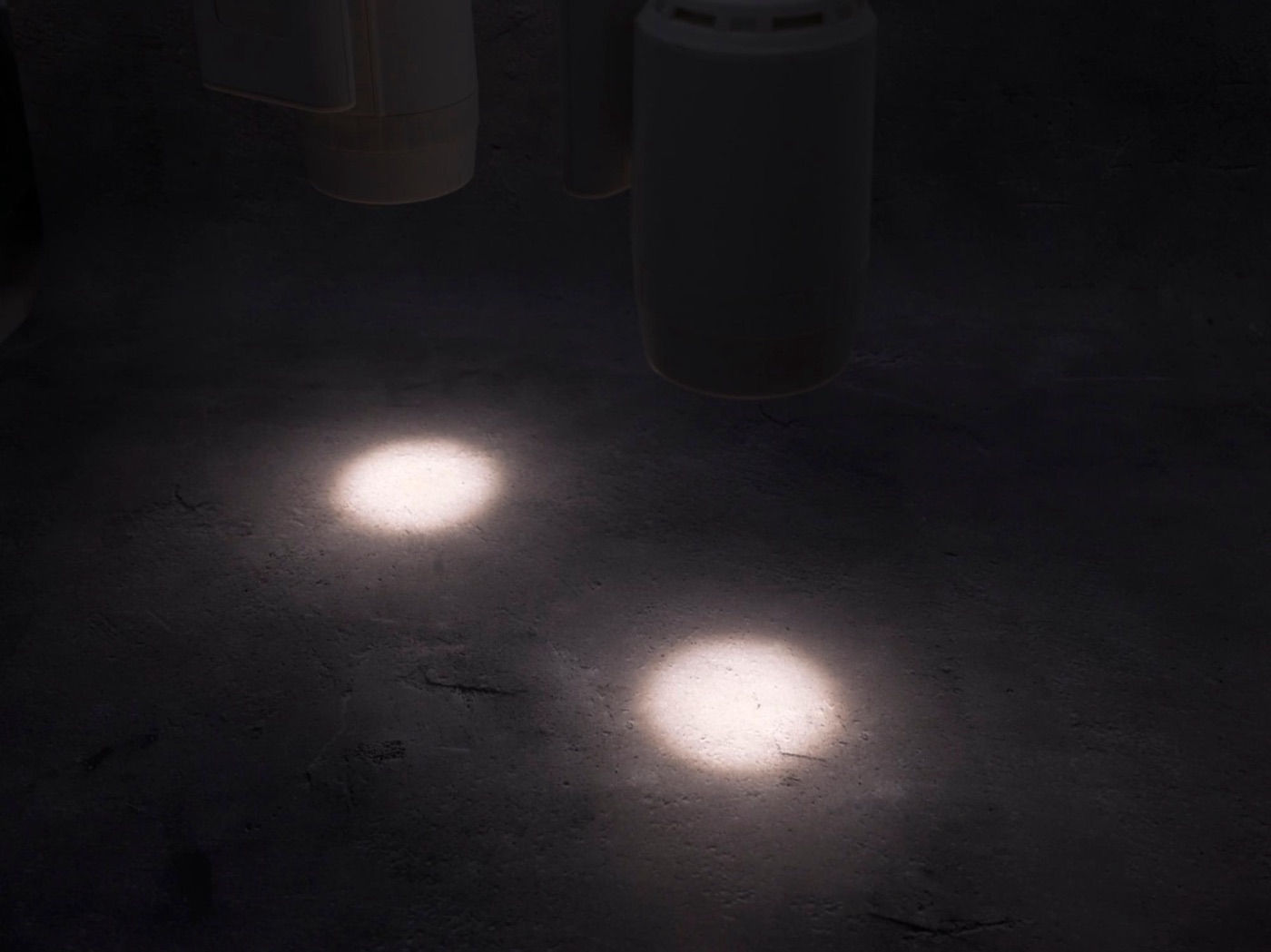
It’s not just food. Light only what you want to show — paintings, photos, flowers, objects — and it naturally becomes the star of the room.
Wide for a wide painting, tall and narrow for something slim. Being able to change the beam shape to match what you’re lighting is unique to LumiFree.

The downsides: price and installation
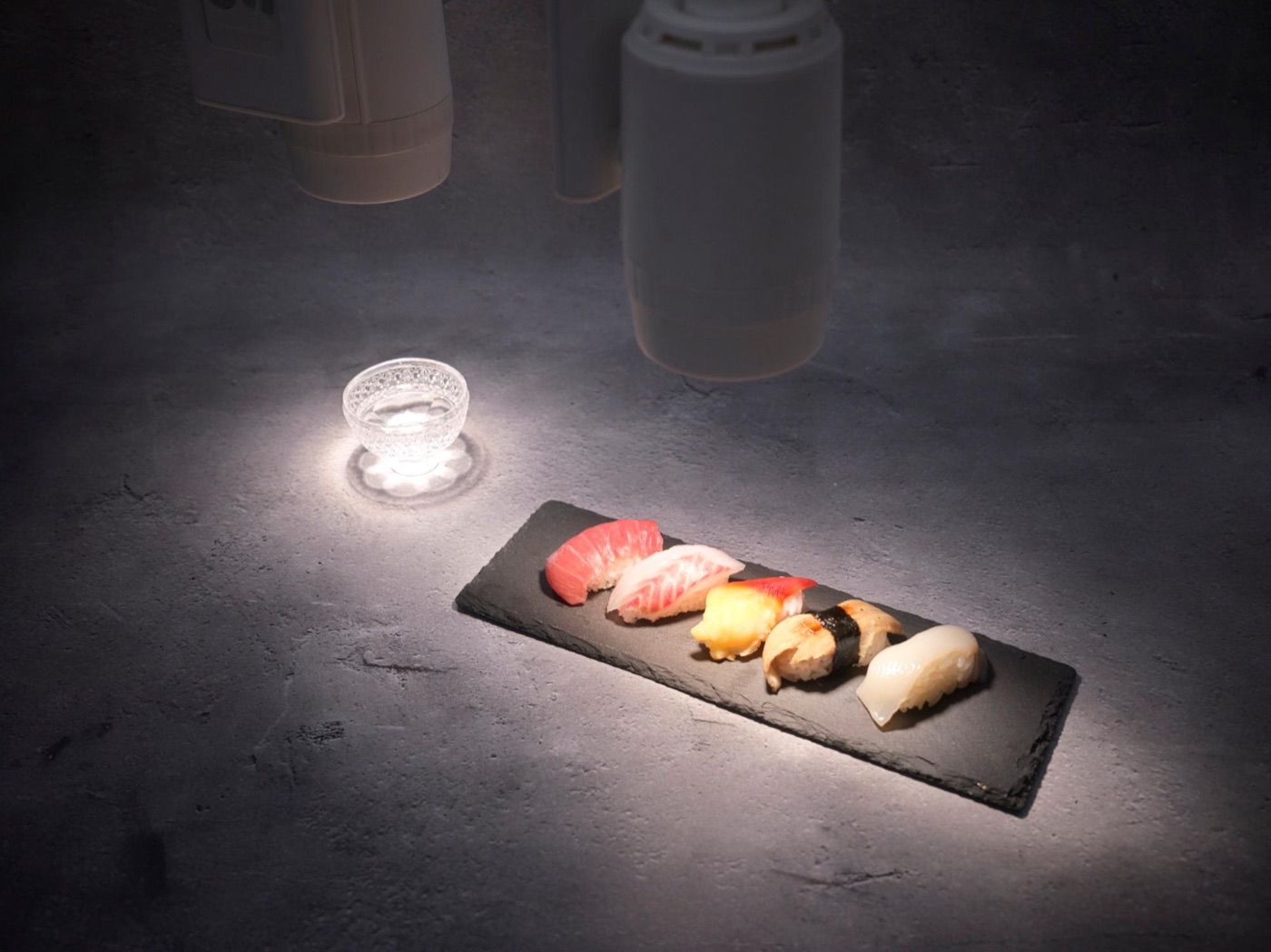
The LumiFree spotlight I used needs a lighting track, and it’s pricier than typical LED spotlights.
Personally, I think it’d be even cooler if it worked with Philips Hue or SwitchBot and automatically changed the beam for scenes like “dinner” or “movie night.”

From “making it bright” to “designing light”
My biggest takeaway from LumiFree: lighting isn’t just for brightening a room — it decides what you show.
Without buying new furniture, just lighting your food, art, or plants properly can totally change how your home feels.

Go one step past “lighting = bright enough” and start caring about light itself. LumiFree reminded me how fun that can be.

This story was originally published (in Japanese) on Yahoo! News Japan Expert.