
Why Is Mazda So Obsessed with “Jinba Ittai”? What an EV Taught Me About the Ultimate Gadget
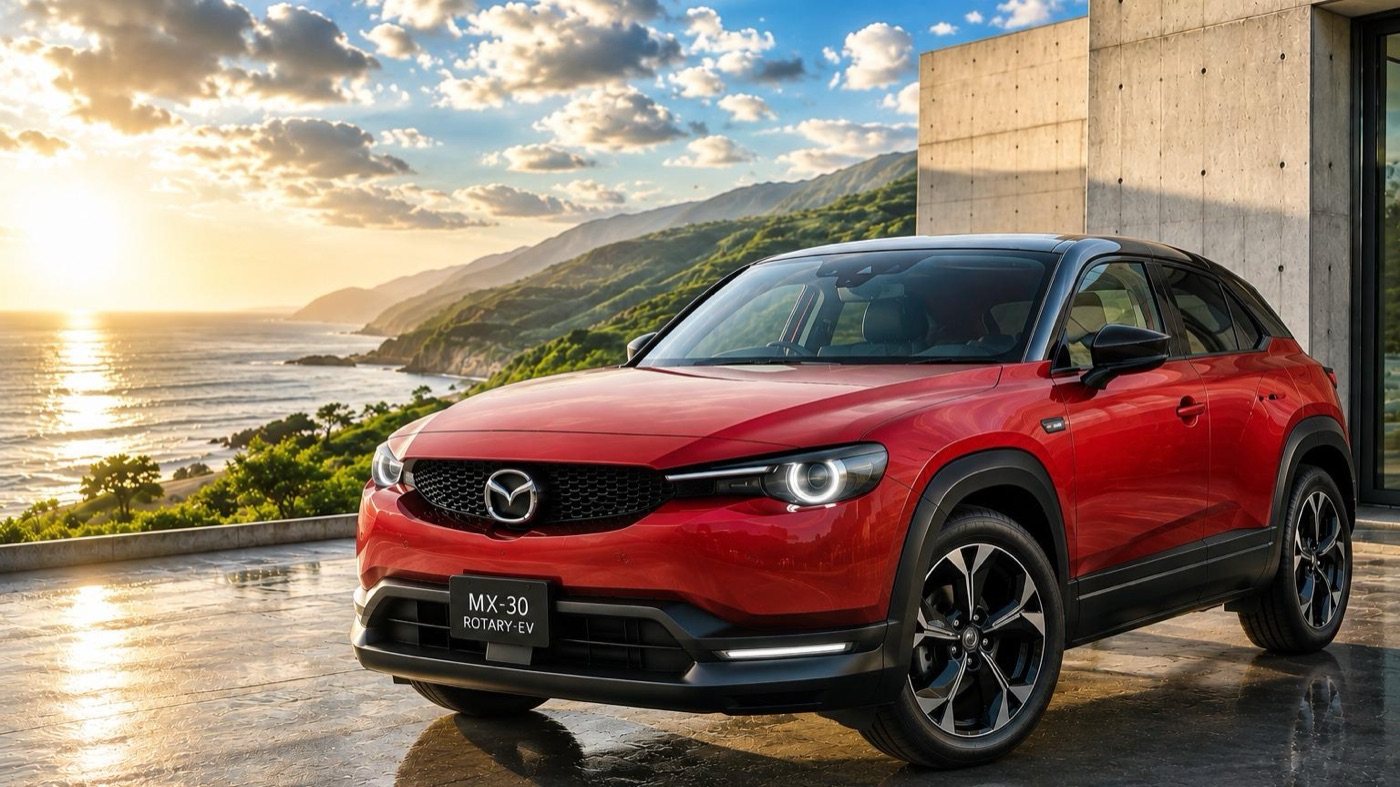
After a year with the Mazda MX-30 Rotary-EV, what stuck with me was how much it’s designed around feeling natural to use. The dial at your fingertips, driver assist that just feels right to me, and a rotary engine that only makes electricity. It has the same appeal as a great gadget that quietly extends what you can do.
Official site: https://www.mazda.co.jp/cars/passenger/mx-30/
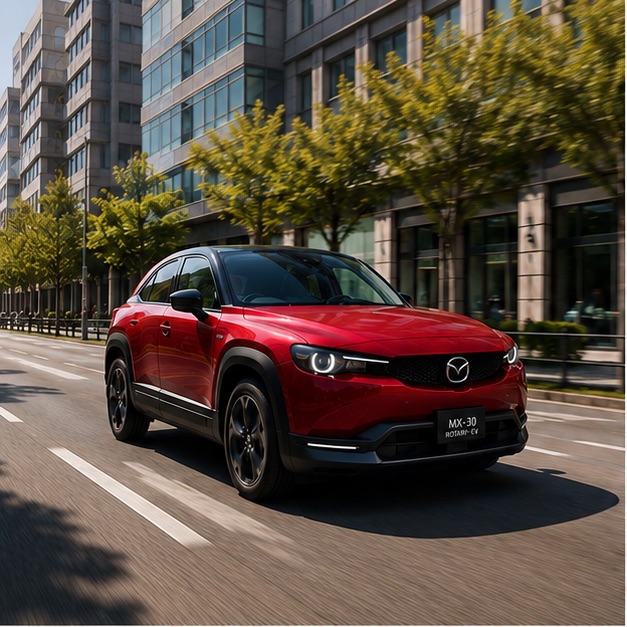
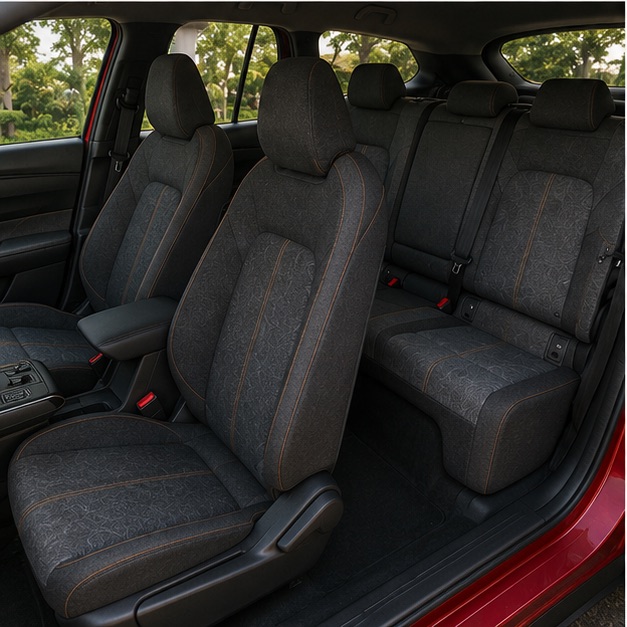
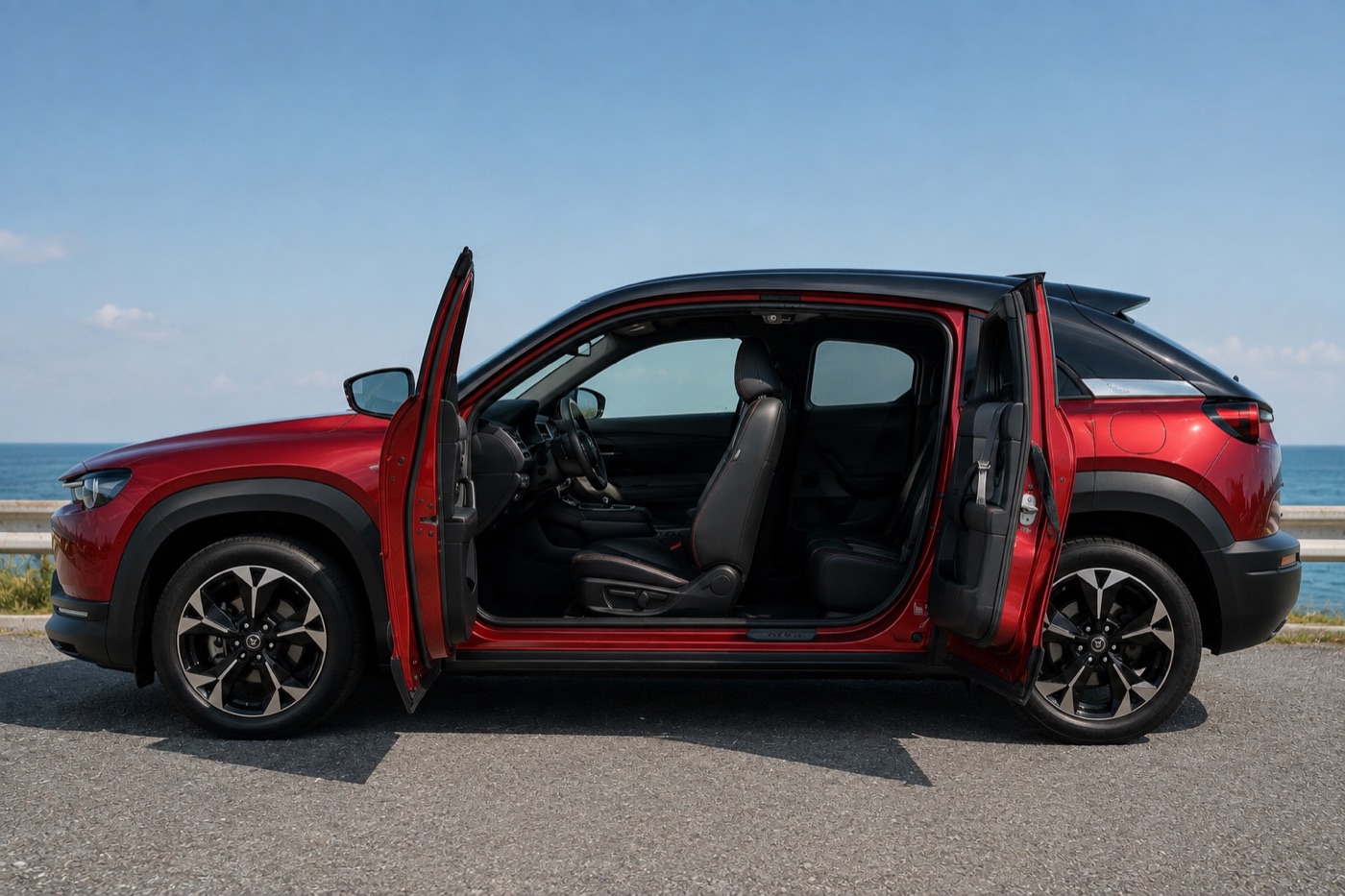

“Jinba ittai” is the ultimate gadget experience
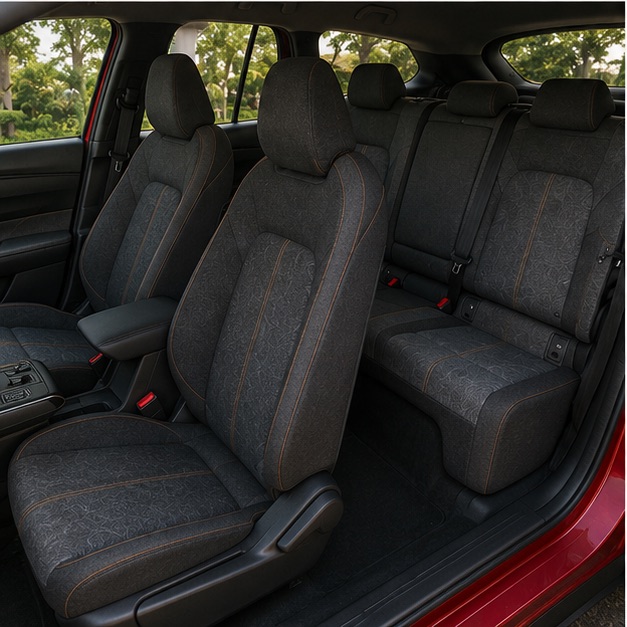
I think the best gadgets are the ones you stop noticing the more you use them. Mazda has chased an idea called jinba ittai — “horse and rider as one” — for years, and it’s exactly that. The goal isn’t to consciously operate a car, but to handle it as naturally as part of your own body.
EV response and jinba ittai are a perfect match
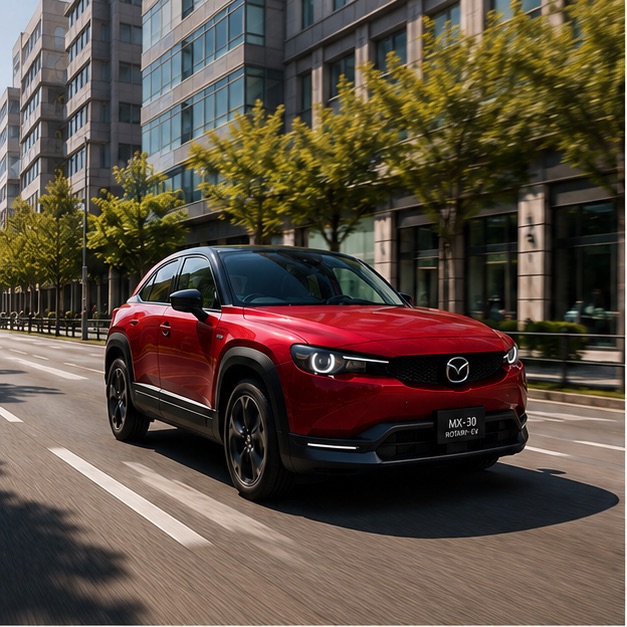
What’s great about electric motors is how fast they respond to the pedal and how precisely they can control power. The MX-30 Rotary-EV is a series plug-in hybrid: the rotary engine makes electricity, and the motor does all the driving. That smooth, instant response feels like a great fit for jinba ittai.
A touchscreen isn’t always the answer
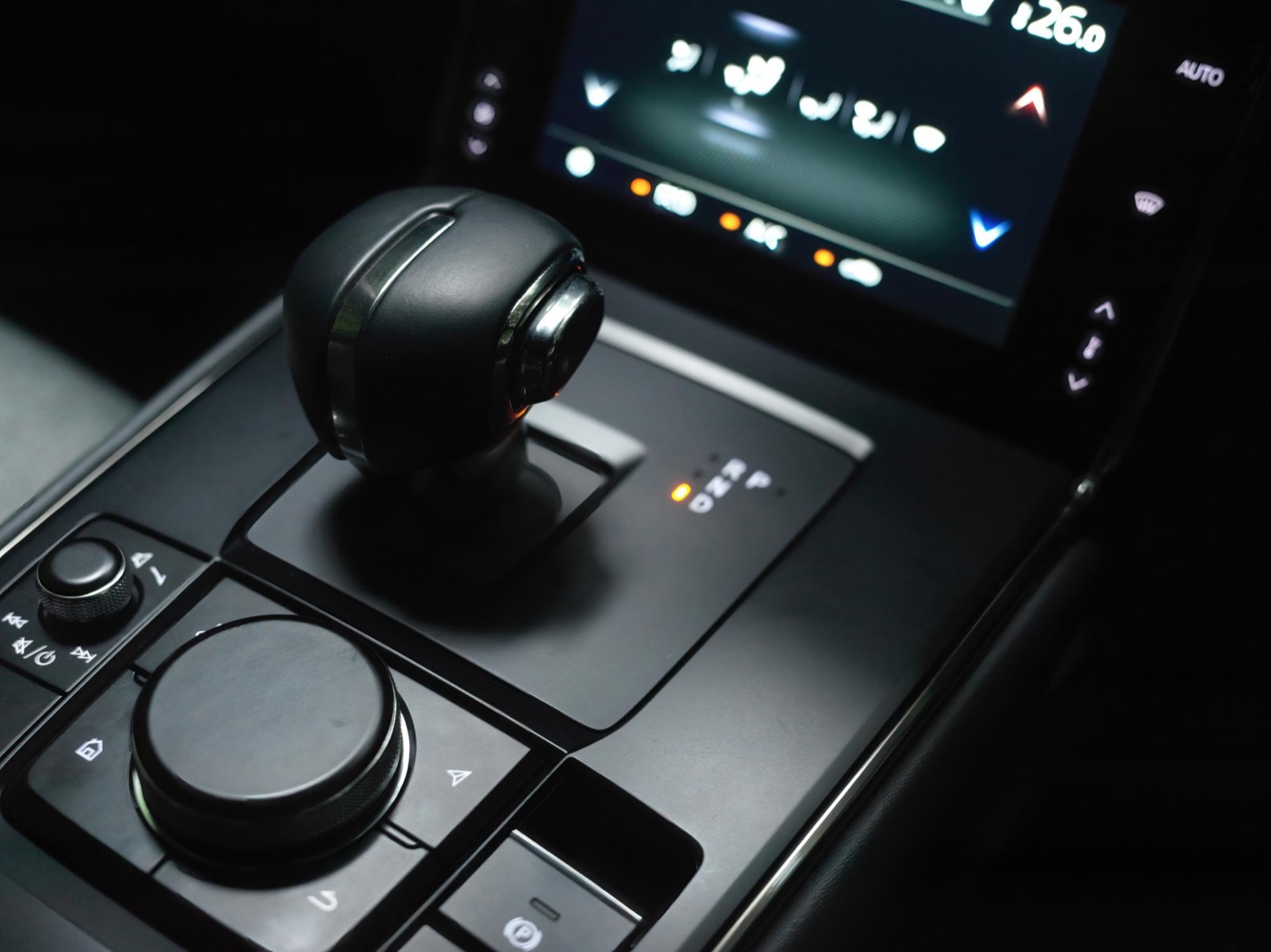
These days, lots of gadgets cram everything into a touchscreen. Mazda does things a little differently. The center display is controlled with a Commander Control dial by your hand, so you don’t have to reach for the screen — you operate it from a natural position. Putting “easy for humans” ahead of “new interface” — I really like that call.
Driver assist that feels like a great concierge
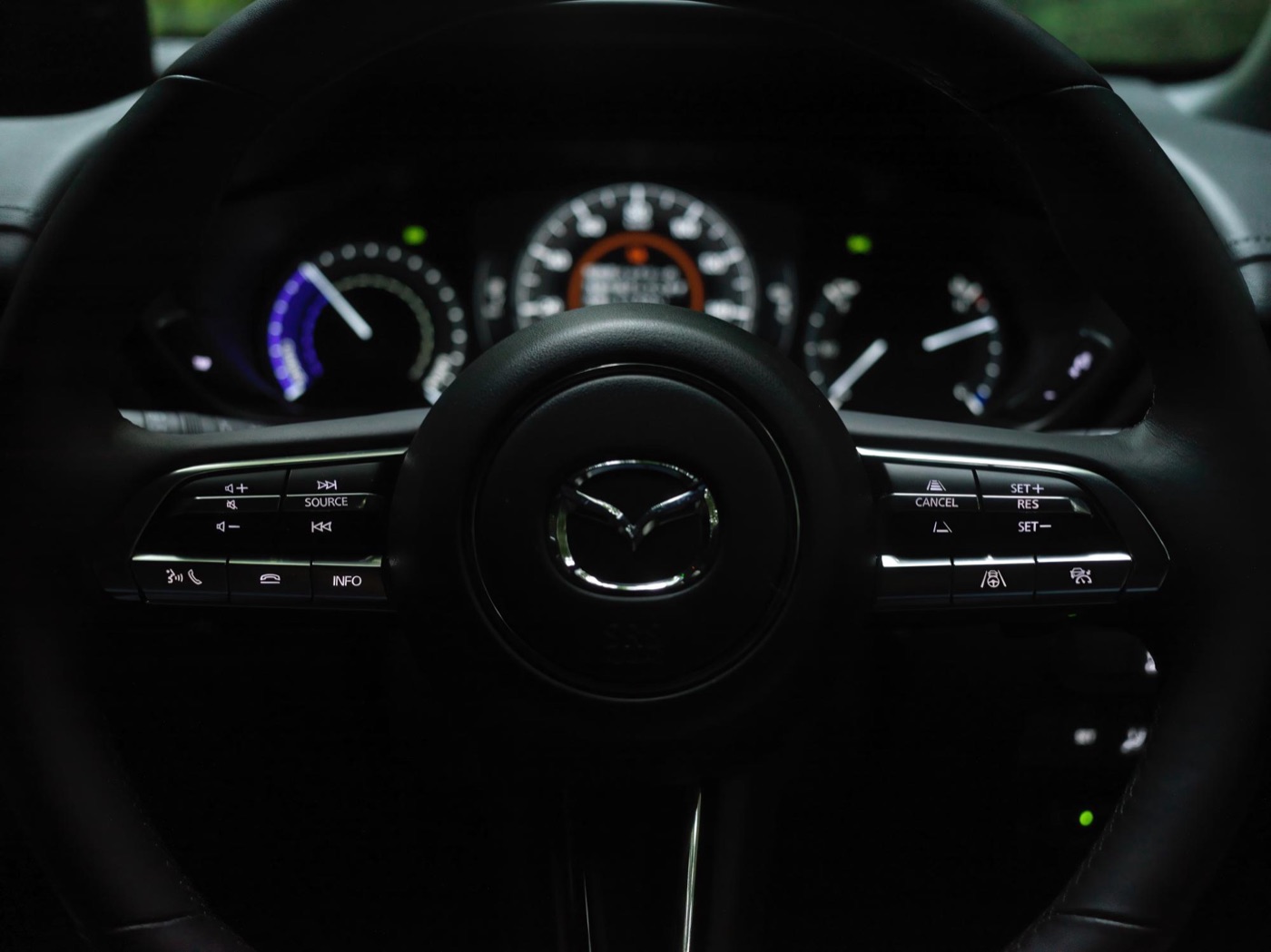
I’ve driven cars from a lot of brands, and Mazda’s driver assist feels especially natural and reassuring to me. It doesn’t butt in more than it needs to. It respects the driver and quietly lends a hand when it matters, like having a great concierge in the passenger seat. That kind of distance between person and machine is a must for any good gadget, too.
Turning a rotary engine into a generator
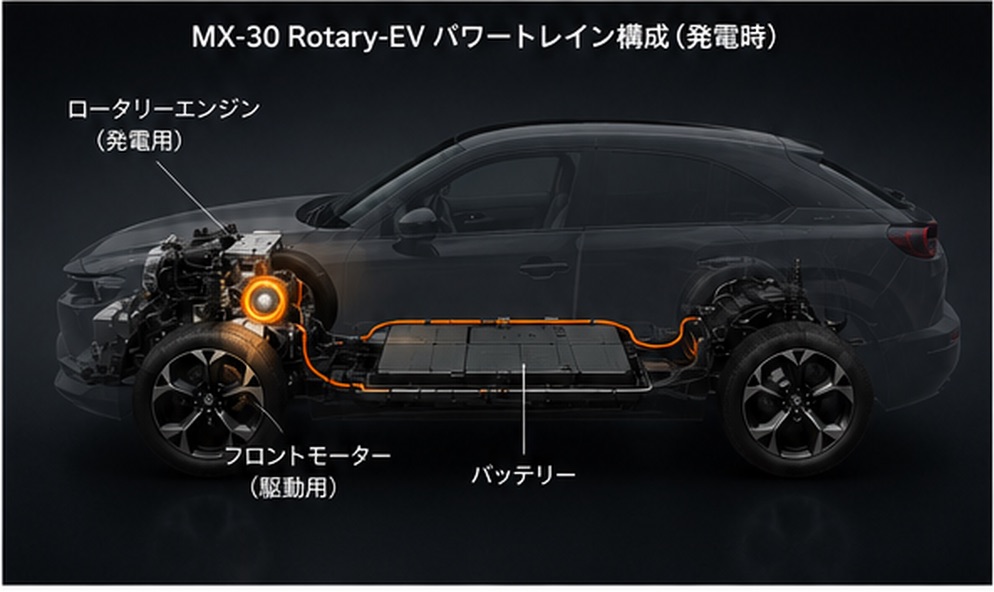
In the MX-30 Rotary-EV, the rotary engine doesn’t turn the wheels — it makes electricity. Mazda took tech famous from sports cars and gave it a new job as a compact generator for the electric era. Reusing your signature tech in a completely different role? Love it.
A bigger battery isn’t the only answer
Total battery capacity is 17.8 kWh. Instead of just going big on battery, it fires up the rotary to generate power when needed. Use the charged-up electricity day to day, add generation for long trips. Mixing battery and engine based on how you actually drive makes a lot of sense to me.
A giant gadget with two input ports
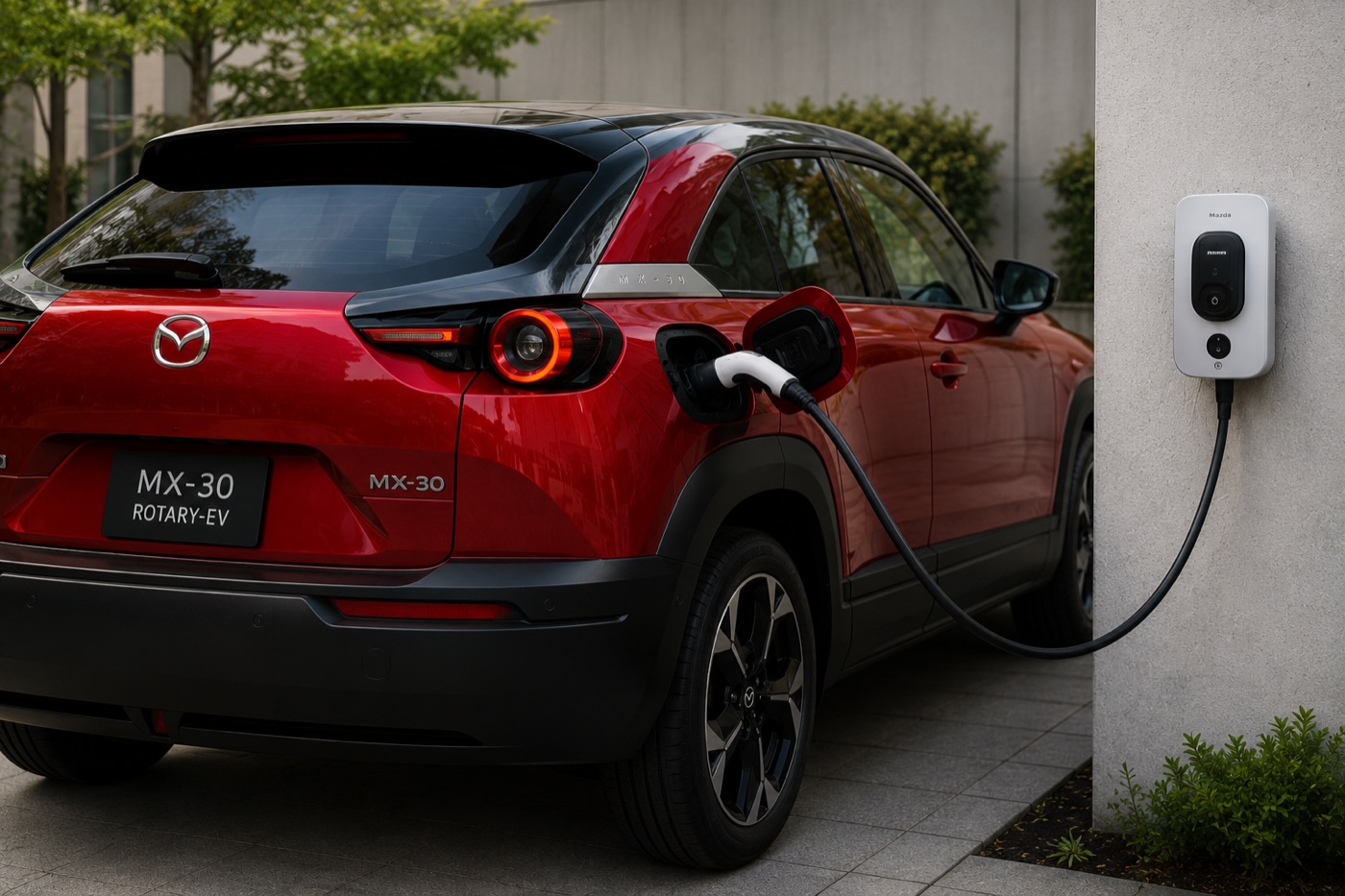
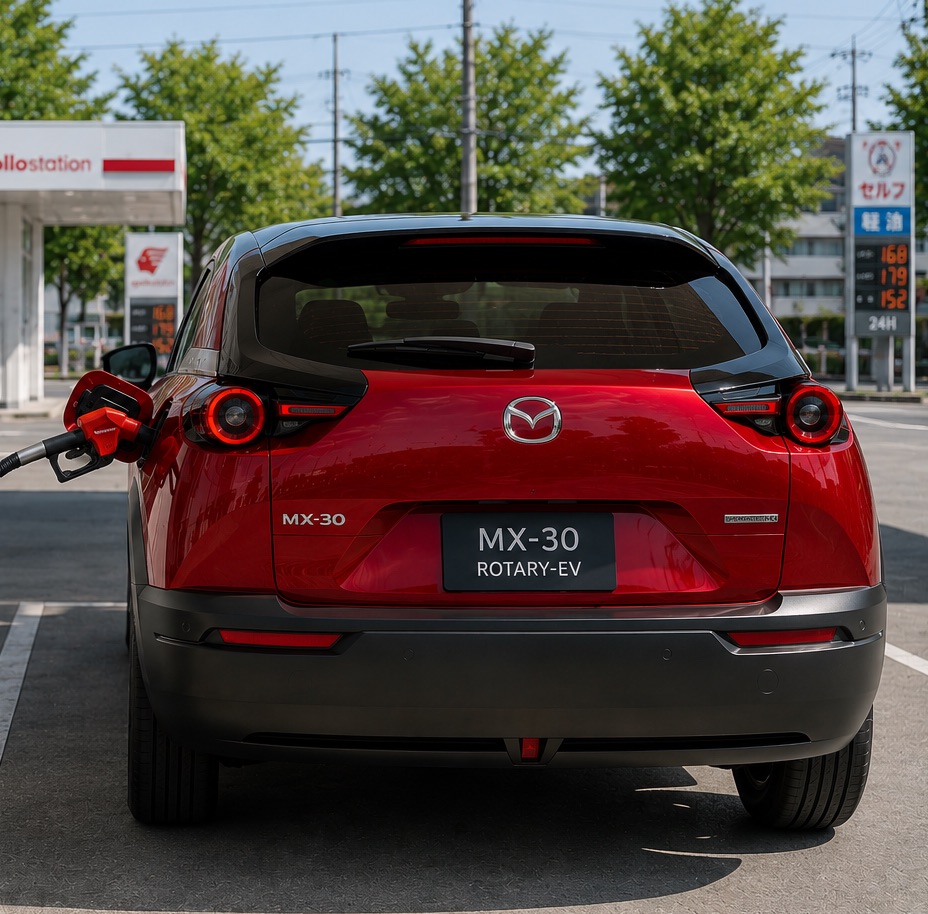
There are two ways to put energy in: a charging port on the right and a fuel filler on the left. If you can charge at home, you drive on electricity most of the time, and on long trips you can burn gas to generate power. I don’t have a 200V charger at home, and after a year I honestly wished I did.
Changing how hardware behaves with software
You can choose how energy is used with three modes: EV, Normal, and Charge. EV mode prioritizes driving on electricity, Normal manages generation based on battery level and other factors, and Charge tries to keep a set battery level. The engine can still start in EV mode depending on conditions, but tweaking how the same hardware works for different goals feels very gadget-like.
The idea of shared hardware
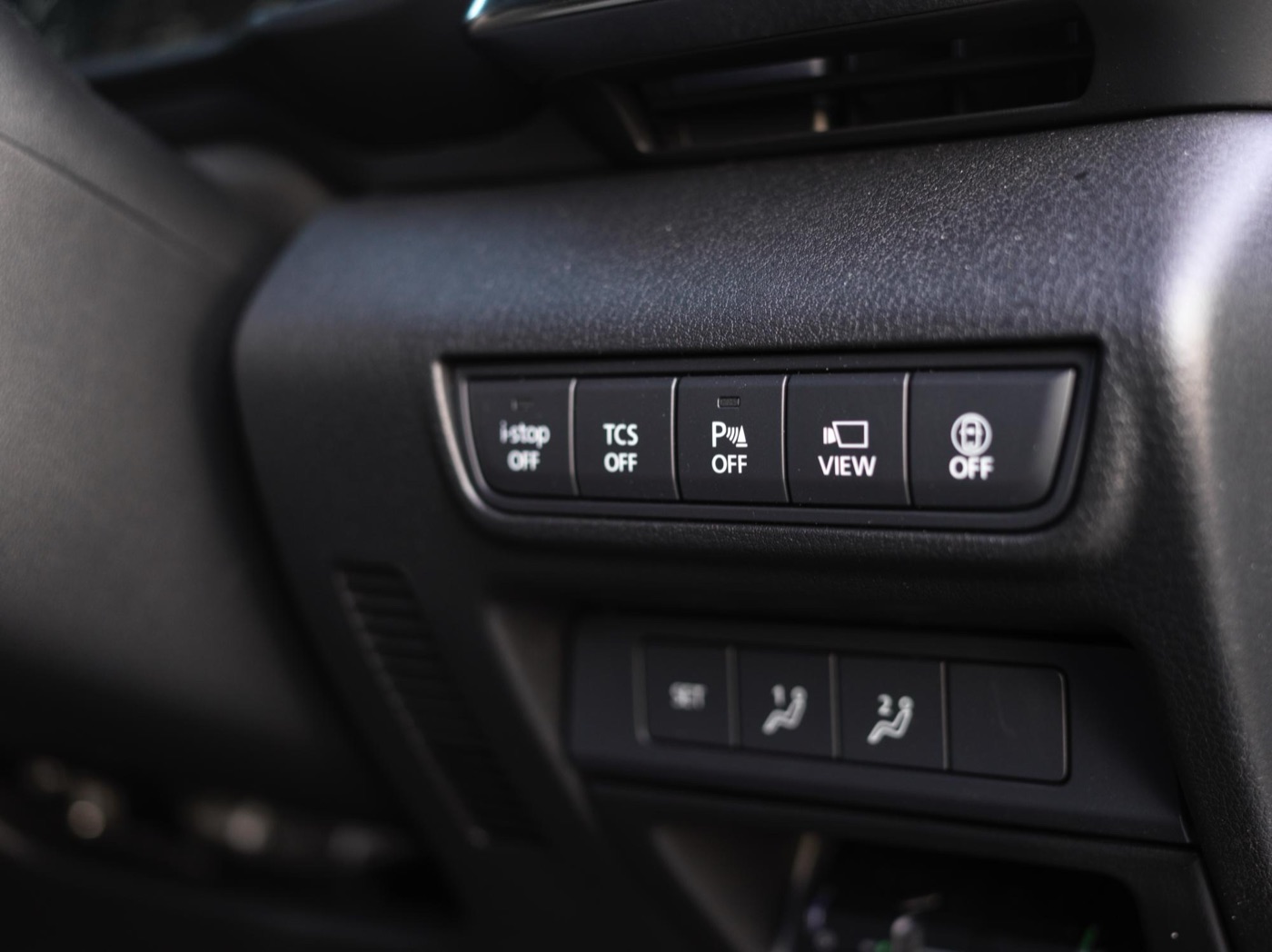
Mazda has talked about “Factory OTA,” where vehicle-control hardware is shared and model-specific software is written in at the factory. Keeping part types down and creating differences with software is the same thinking you see in phones and PCs. To be clear, that doesn’t mean every electronic part is identical across all models, and I couldn’t confirm it’s used on the MX-30 Rotary-EV.
Your car becomes a giant power bank
Cars with the AC100V/1500W outlet can power compatible appliances while parked. It’s separate from the 150W outlet up front, so check which outlet and how much power your devices need. It drives, generates, stores, and sends power out. As a big gadget for handling energy, it’s pretty fascinating.
A year in: how polished the hardware and software are
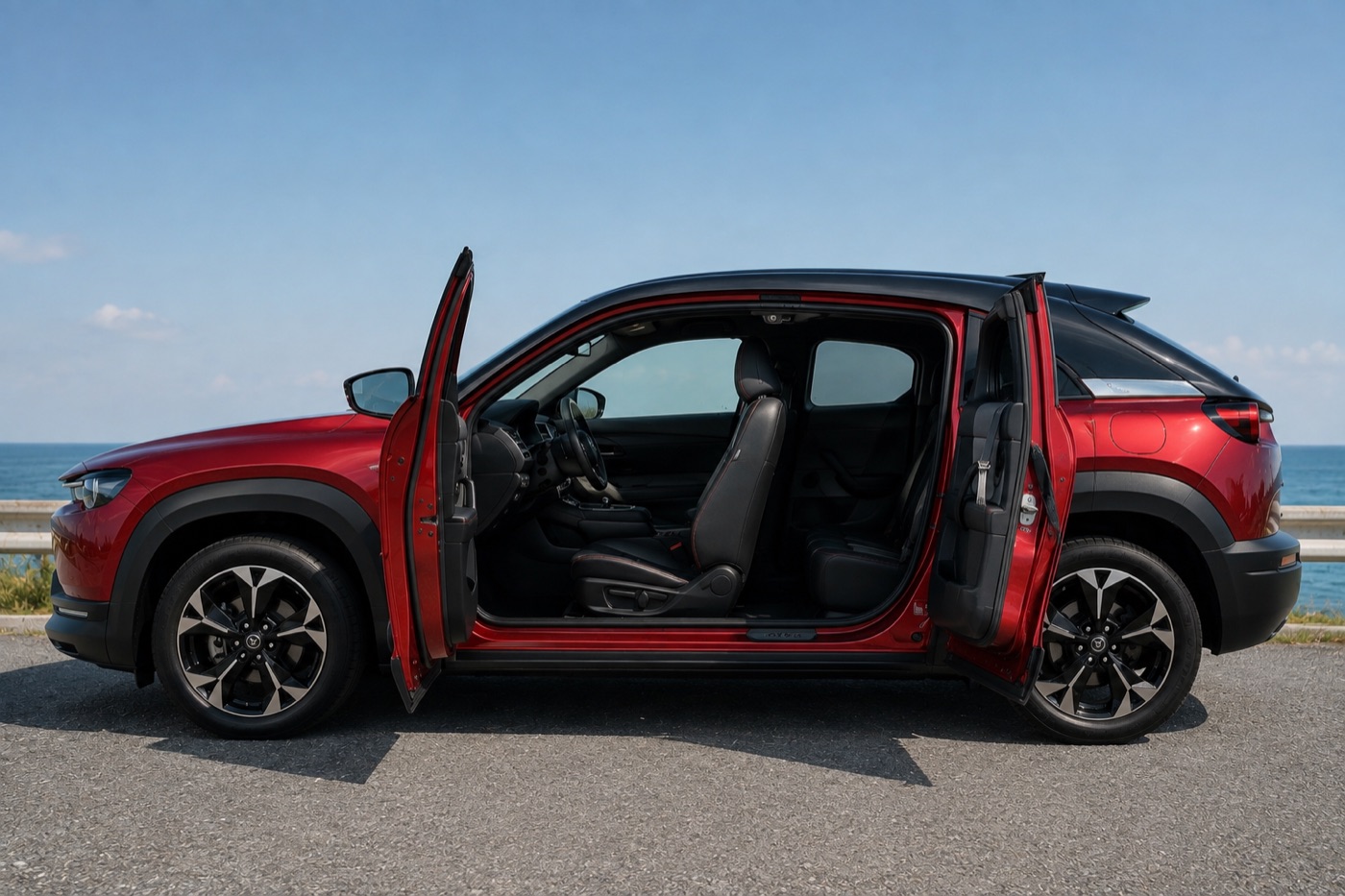
After actually living with it for a year, I feel like what Mazda cares about isn’t the number of features, but how natural they feel together. An easy-to-use dial, driver assist that rarely feels off, a motor that responds honestly to your foot. They’re all different technologies, but the hardware and software come together so you can use them without thinking.
Mazda’s goal: a gadget that extends human ability

Using the rotary to generate power, and turning the motor’s quick response into a natural drive. Including the controls, it feels like they care more about how people feel than how many new features they can add. A car that becomes part of your body. After a year with the MX-30 Rotary-EV, I see the same appeal in Mazda that I see in great gadget makers.
This story was originally published (in Japanese) on Yahoo! News Japan Expert.